Jongno is the oldest district in Seoul, and arguably the most layered. Within a single afternoon you can walk from the throne hall of Gyeongbokgung, through the tiled rooflines of Bukchon Hanok Village, and into a side street where the smell of charcoal and beef fat has been drawing diners for half a century. Few neighborhoods in the world braid heritage and appetite quite so tightly.
For travelers serious about Korean beef, Jongno is the natural starting point. The district holds the city's deepest concentration of Hanwoo specialists, from postwar galbi houses run by third-generation owners to contemporary counters where a single chef portions BMS No. 9 sirloin in front of eight guests. Prices range widely, but so does the quality of the experience, and knowing what to look for matters more than knowing what to spend.
This guide moves through Jongno's Hanwoo landscape with a traveler's eye: where to go, what to order, how to read a menu, and how to fit a proper Korean beef dinner into a day already full of palaces and tea houses. For the breed itself — grading, cuts, how it differs from Wagyu — start with our Hanwoo beef guide.
What Makes Hanwoo Worth Seeking Out?
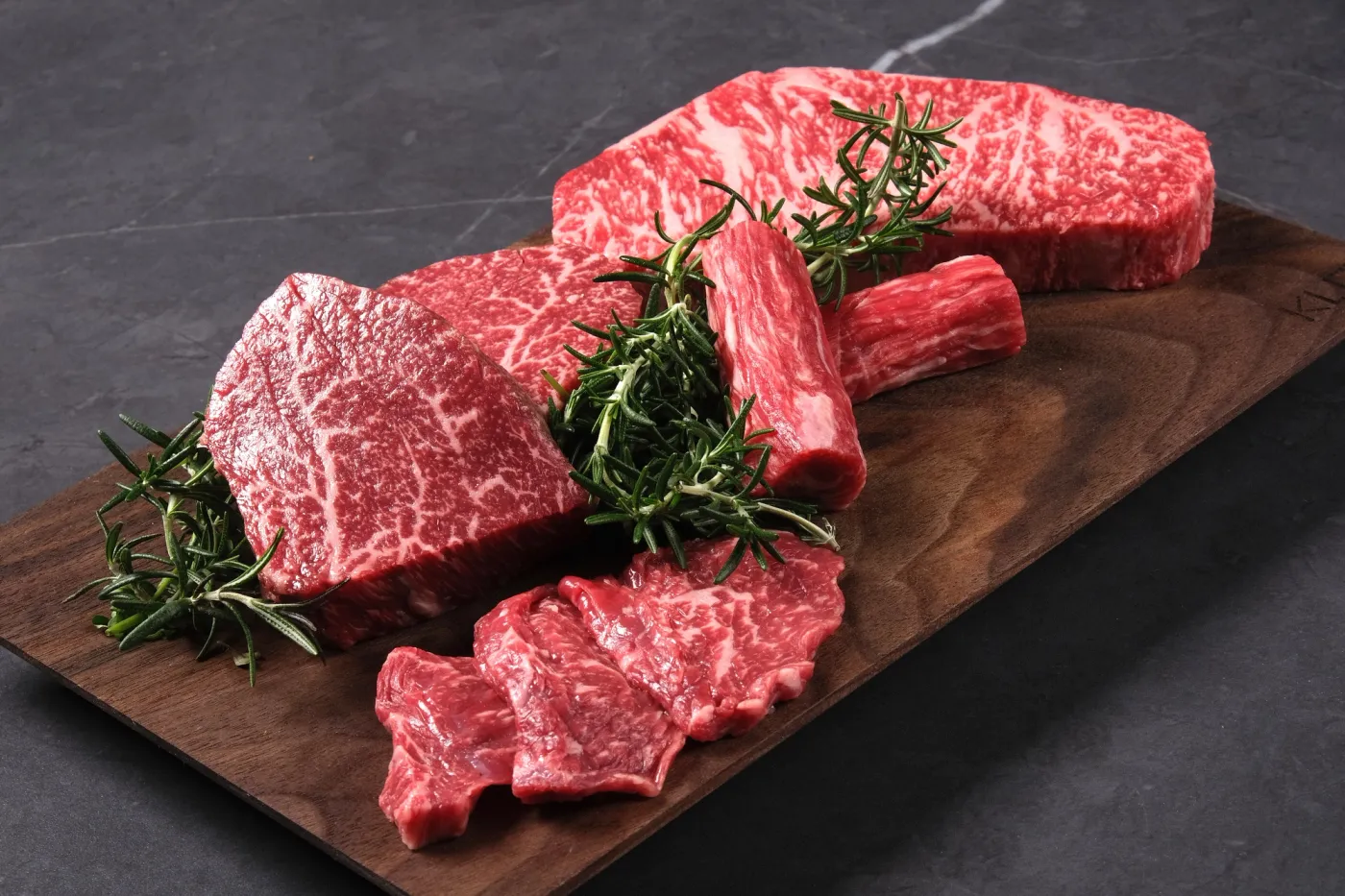
Hanwoo is the indigenous cattle breed of Korea, raised under a national grading system that prizes fine intramuscular marbling, a clean finish, and a particular sweetness on the palate. It is not Wagyu, and the comparison flatters neither. Where premium Japanese beef leans toward butter and umami, top-grade Hanwoo retains more savory beefiness, with marbling that melts cleanly rather than coating the mouth.
The Korean grading system, administered by the Korea Institute for Animal Products Quality Evaluation, ranks beef from 3 up through 1, 1+, and 1++. Marbling is scored on the BMS (Beef Marbling Standard) scale from 1 to 9; since December 2019 grade 1++ covers scores 7–9 and the number is displayed, with BMS No. 9 representing the highest available marbling in domestic Hanwoo. Reputable Jongno restaurants will state these grades openly on menus and, in many cases, on certificates posted near the entrance.
Three details separate the merely good from the genuinely excellent:
- **Grade transparency.** Look for 1++ with a stated BMS score — 1++ covers 7–9, so ask for No. 9. - **Farm and traceability.** Premium venues will name the region (Hoengseong, Jeongseon, and Yeongwol are well-regarded) or display a traceability number. - **Aging and cut handling.** Dry-aging, wet-aging periods, and whether cuts are portioned in-house all influence the final plate.
How Do You Read a Jongno Hanwoo Menu?
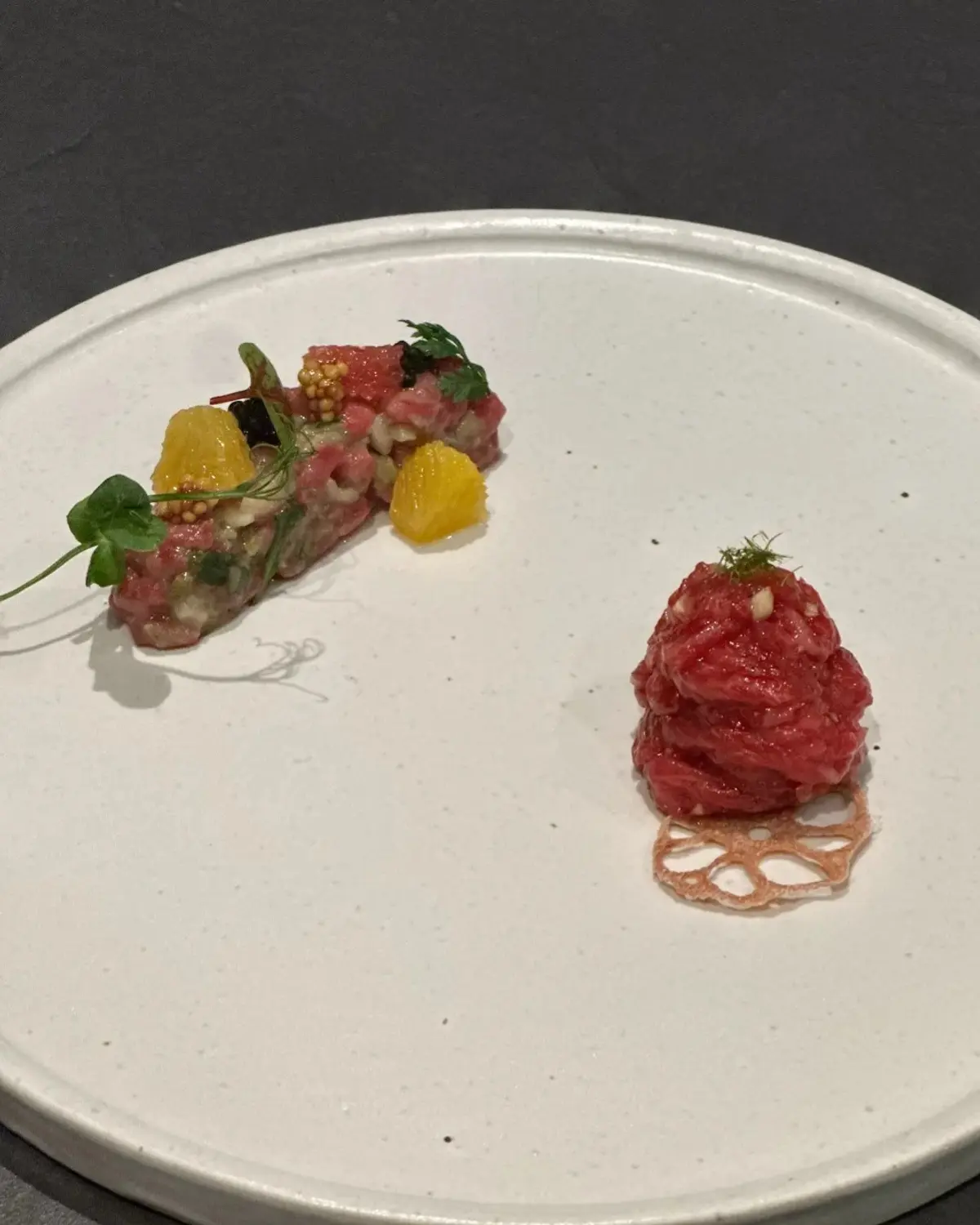
Most Hanwoo menus in Jongno are organized by cut rather than by dish, which can be disorienting on a first visit. The cut determines the cooking method, the price, and the order in which it is served.
| Korean cut | English | Character | Typical course position |
|---|---|---|---|
| Chaekkeut-sal | Sirloin / striploin | Balanced marbling, classic flavor | Mid-course |
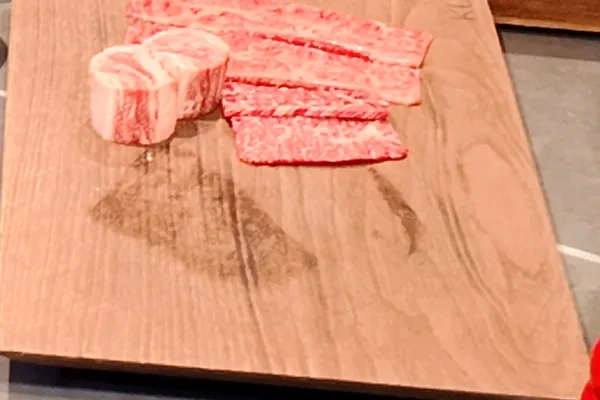
| Ansim | Tenderloin | Lean, delicate, tender | Early course |
| Salchisal | Chuck flap | Rich marbling, beefy | Mid to late |
| Galbisal | Boneless short rib | Sweet, robust | Centerpiece |
| Chadolbaegi | Brisket point | Thin-sliced, quick-seared | Opening |
| Anchangsal | Skirt / hanger | Deeply flavored, mineral | Late course |
At galbi houses, marinated short rib (yangnyeom galbi) and salt-seasoned short rib (saeng-galbi) are the two anchors. At omakase counters, the chef will guide the sequence, typically opening with lean cuts and lighter sears before building toward richer, fattier portions. A proper meal at either format runs roughly ninety minutes to two hours.
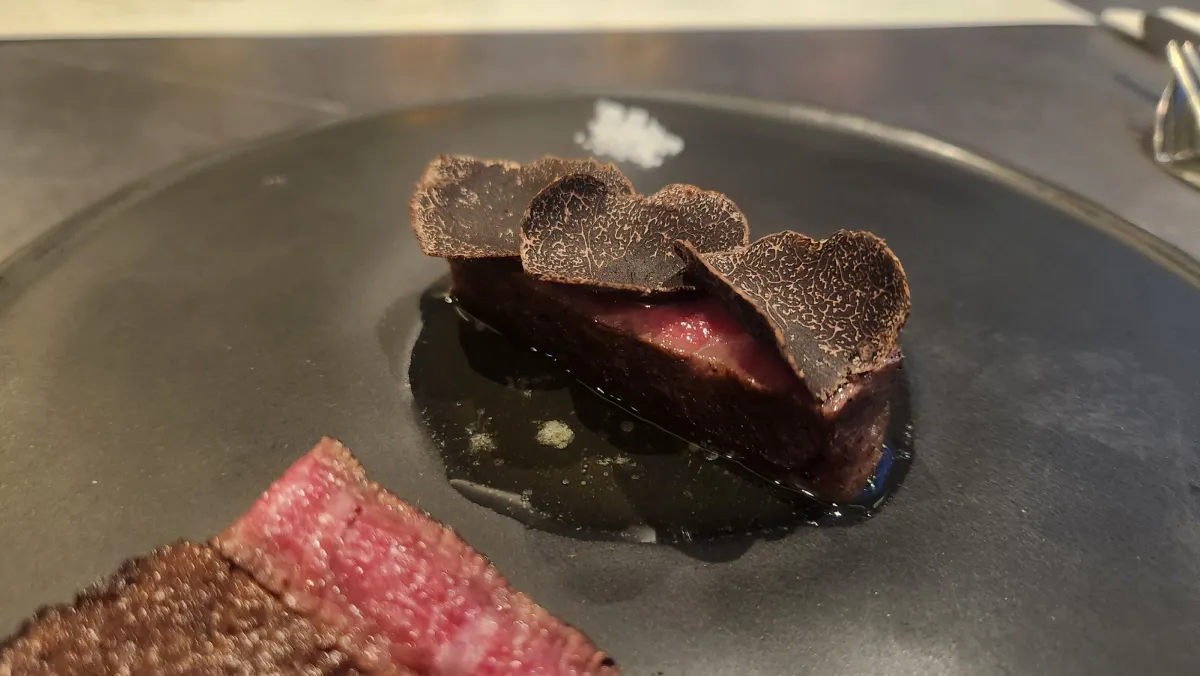
Categories of Hanwoo Dining in Jongno
Jongno's Hanwoo scene divides into three broad categories, each suited to a different kind of evening.
**Heritage galbi houses.** These are the long-running, often family-owned grills where Jongno's Hanwoo culture was built. Expect brass ducting, charcoal braziers brought to the table, and staff who portion and turn the meat for you. The atmosphere is convivial rather than hushed, and the menus emphasize galbi and sirloin in generous portions. This is the format for a first encounter with Korean beef.
**Modern butcher-restaurants.** A newer wave of venues operates as both butcher and dining room, dry-aging their own carcasses and offering whole-animal menus that include rarer cuts. Service is more deliberate, and reservations are essential. These restaurants often appear on Seoul's best-of lists from publications such as Visit Korea and the Michelin Guide Seoul.
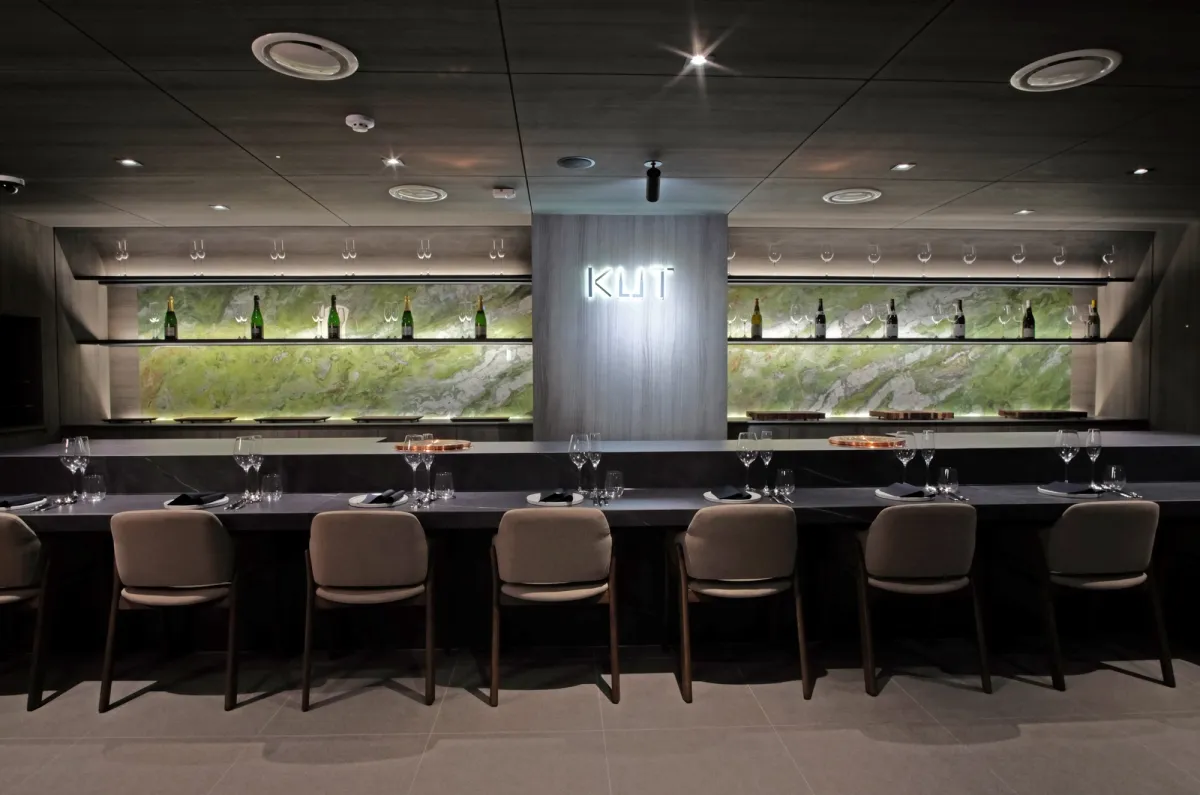
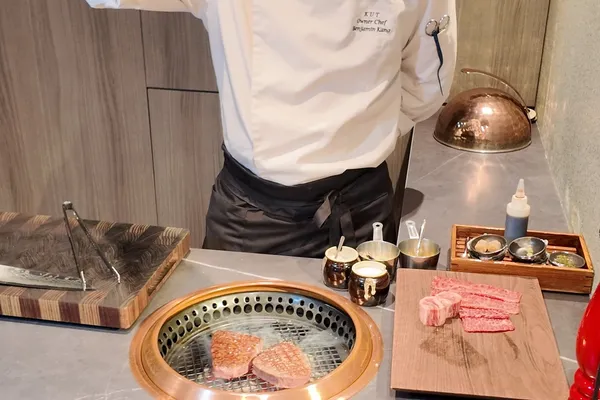
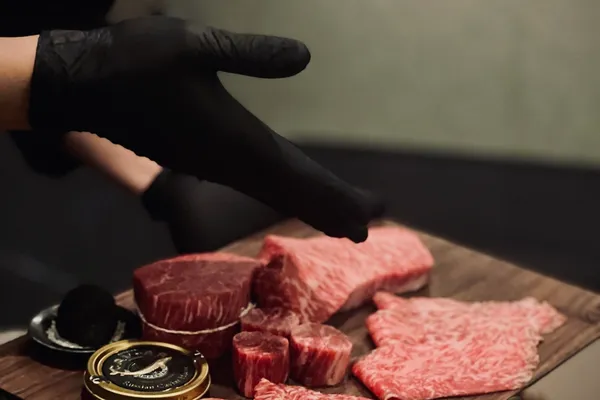
Hanwoo omakase. The most refined format, omakase counters seat eight to twelve guests around a single chef who prepares each cut individually. Courses move from raw or lightly seared preparations through grilled cuts and finish with rice, soup, and a small dessert. This is the format for a defining meal rather than a casual dinner. In Jongno the reference point is KUT SEOUL (3F Hanol Tower, 96 Jongno — 5 minutes from Jongno 3-ga Exit 15): BMS No. 9 Hanwoo wet-aged four weeks, not dry-aged, courses of 8 / 11 / 13 / 15 dishes from ₩69,000 to ₩280,000, an 8-seat counter (Bar Course at weekday lunch, otherwise Posh Course) and five private rooms for 2–12 guests (Posh Course at weekday lunch, Signature Course or above at weekend and holiday lunch and at dinner) — counter or room?
Practical Information for Travelers
Jongno is unusually walkable, and most Hanwoo restaurants of note sit within a fifteen-minute radius of Gwanghwamun Station (Line 5) or Anguk Station (Line 3). A few practical notes:
- Reservations. Reservation only, through CatchTable or Naver. Deposit is 100% of the order; cancellation is free two days before, 50% one day before, none on the day. - Pricing. Heritage galbi houses and modern butcher-restaurants price by the cut, so the bill depends on what you order; Hanwoo omakase is priced per course. KUT SEOUL: Bar 8 dishes ₩69,000 (weekday lunch, counter only, 80 min) · Posh 11 ₩175,000 · Signature 13 ₩210,000 · Royal 15 ₩280,000 · Kids ₩45,000 (ages 7 and under). Signature and Royal are private-room only; Posh is also served in a private room at weekday lunch (counter at weekday dinner and on weekends and holidays). KUT SEOUL's weekday lunch (8 dishes, ₩69,000) is 60% below its Posh dinner. - Language. English menus are common at the higher tier. Japanese and Chinese menus appear at venues catering to travelers. - Payment. Tipping is not practiced anywhere in Korea; at KUT SEOUL the listed price is the final price, with no service charge.
If you are pairing dinner with sightseeing: Gyeongbokgung closes at 17:00 Nov–Feb, 18:00 Mar–May and Sep–Oct, and 18:30 Jun–Aug (last entry one hour before), and is closed on Tuesdays (as of September 2026) — which leaves a natural window for a 17:30 or 18:00 dinner seating.
Which Format Is Right for Your Trip?
A traveler with a single Hanwoo dinner on their itinerary faces a real decision, and the right answer depends on what else the evening needs to do.
If the meal is meant to be sociable, photographic, and energetic, a heritage galbi house in the alleys behind Jongno 3-ga delivers exactly that. The charcoal, the shared grill, the carousel of side dishes, the late-night ssam wraps with garlic and ssamjang. It is Korean dining at its most generous.
If the meal is the evening's centerpiece and the goal is to understand Hanwoo as a craft, a counter-format omakase is the clearer choice. Here the cuts arrive one at a time, the chef explains origin and grade, and the pacing is built around the meat rather than the table. For travelers who have already eaten Wagyu omakase in Tokyo and want to understand how Korean beef differs, this is the format that makes the distinction legible.
Ending Your Day in Jongno
A well-planned Jongno day moves naturally from morning at Gyeongbokgung, through an afternoon in Bukchon or Insa-dong, into an unhurried Hanwoo dinner as the lanterns come on. The district rewards travelers who treat the evening meal as the day's closing argument rather than a refueling stop.
KUT SEOUL is a 5-minute walk from Jongno 3-ga Station (Lines 1·3·5) Exit 15 — 3F Hanol Tower, 96 Jongno, next to Tapgol Park. Counter seats take the Posh course (₩175,000); private rooms start from Posh at weekday lunch, Signature (₩210,000) at dinner and on weekends, up to Royal (₩280,000); on weekdays the 8-dish ₩69,000 lunch runs 80 minutes at the counter. Reservation only on CatchTable — which seat suits your evening.
KUT SEOUL: Bar 8 dishes ₩69,000 (weekday lunch, counter only, 80 min) · Posh 11 ₩175,000 · Signature 13 ₩210,000 · Royal 15 ₩280,000 · Kids ₩45,000 (ages 7 and under). Signature and Royal are private-room only; Posh is also served in a private room at weekday lunch (counter at weekday dinner and on weekends and holidays). BMS No. 9 Hanwoo, vacuum (wet) aged four weeks — not dry-aged. Grades run 3/2/1/1+/1++; since December 2019, 1++ covers marbling scores 7–9 and the number is displayed. KUT serves No. 9 only.
3F Hanol Tower, 96 Jongno — 5–7 minutes from Jongno 3-ga Station (Lines 1·3·5) Exit 15 or Jonggak Station (Line 1) Exit 4; next to Tapgol Park; 20–25 minutes on foot from Gyeongbokgung. Lunch 11:30–15:00 (last order 14:30), dinner 17:30–22:00 (last order 19:30), closed Tuesdays. Reservation only, through CatchTable or Naver. Deposit is 100% of the order; cancellation is free two days before, 50% one day before, none on the day.
It is a format that suits travelers who want their last evening in Seoul to feel deliberate rather than improvised.
Whatever venue you choose, Jongno's Hanwoo houses share an attitude worth respecting: that good beef, properly graded and properly cooked, is one of the quieter pleasures of traveling in Korea, and one of the most lasting.