Seoul's culinary landscape unfolds in layers. Beneath the neon-lit fried chicken counters of Hongdae lies a centuries-old tradition shaped by the royal kitchens of the Joseon dynasty, the temple cuisine of Bukhansan's monasteries, and the resourceful home cooking that emerged from postwar scarcity. To understand Seoul through its food is to read the city like a palimpsest — each dish a record of a particular era, region, or ritual.
For the traveler with limited days and considered taste, the question is not where to eat indiscriminately, but which dishes carry genuine cultural weight. The list below is not exhaustive. It is a sequence of ten dishes that, taken together, offer a coherent introduction to the rhythms of Korean cuisine — from delicate seasonal preparations to the deep umami of long-aged Hanwoo.
Most of these dishes can be found within a short walking radius of Gyeongbokgung Palace and the broader Jongno district, where Seoul's historical and gastronomic identities remain most tightly entwined. For a route that threads several of them into one day, see a perfect day in Jongno.
1. Hanwoo: The Apex of Korean Beef
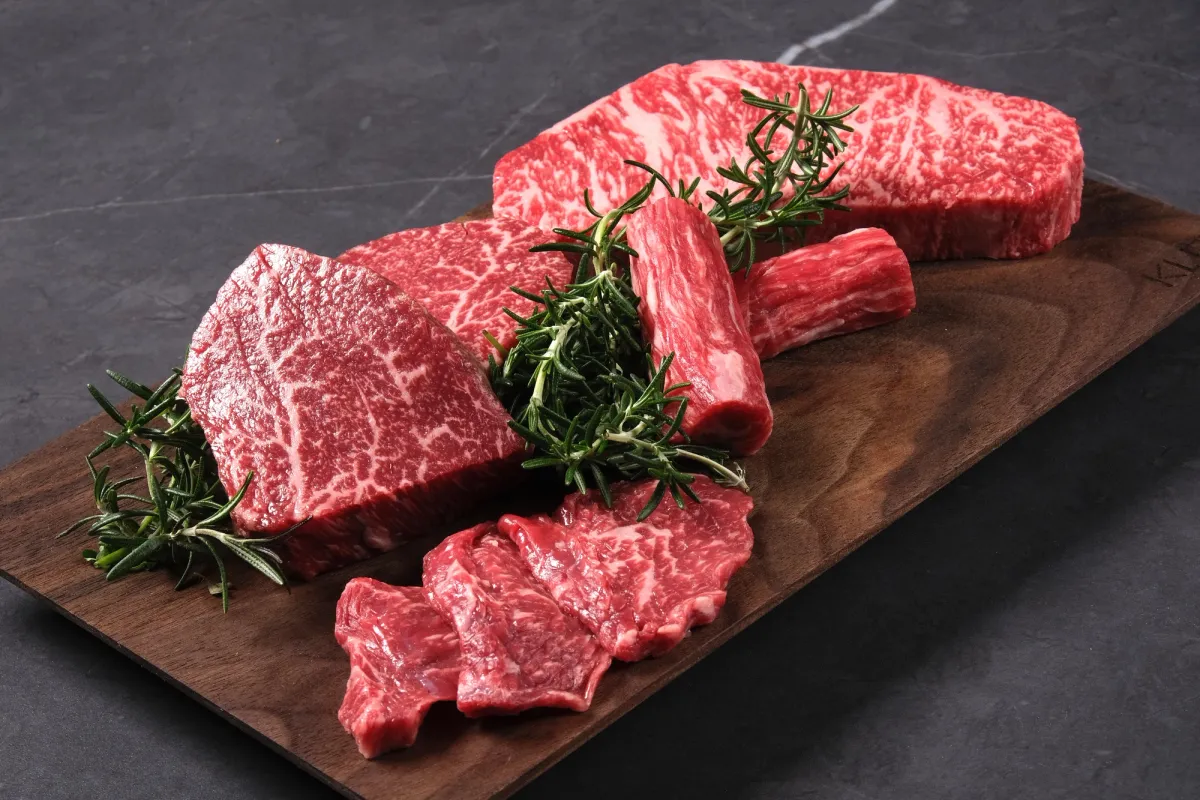
Hanwoo is the indigenous Korean cattle breed, and at its highest grade — BMS No. 9, the top of the 1++ band that covers scores 7–9 — it stands among the most refined beef in the world. The marbling is dense yet clean on the palate, the flavor sweeter and less aggressive than Wagyu, with a distinctive nuttiness that emerges when grilled over charcoal or seared briefly on hot stone.
Hanwoo's prestige is not marketing. Korea Heritage Service records identify native cattle as a fixture of Korean agriculture for over two thousand years, and the breed remains tightly regulated by the Korean government to preserve genetic purity. Today, Hanwoo is graded on a precise scale considering marbling, color, texture, and maturity.
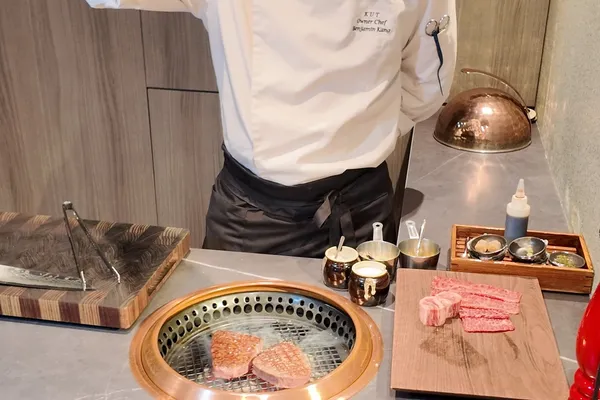
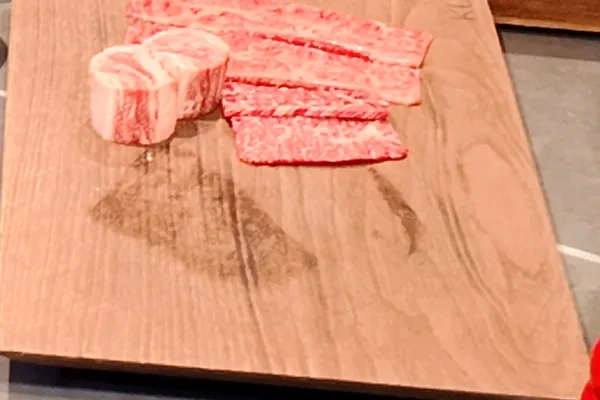
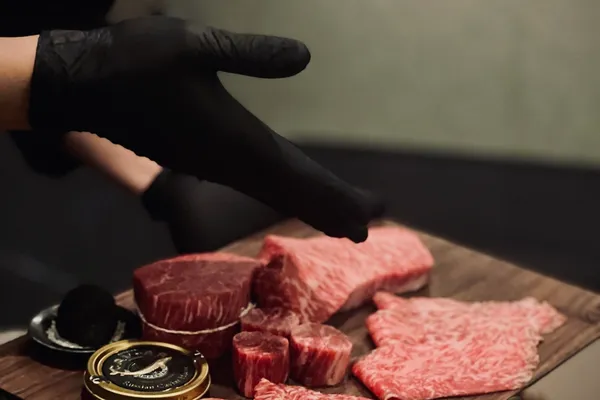
The most considered way to experience Hanwoo is through an omakase format, where each cut — from the richly marbled chuck flap (salchisal) to brisket point and chuck roll — is prepared with the technique it deserves.
At KUT SEOUL in Jongno, that sequence is served from ₩69,000 for an 8-dish weekday lunch at the counter — see what is in a Hanwoo omakase, cut by cut.
2. Bibimbap: Royal Cuisine in a Bowl
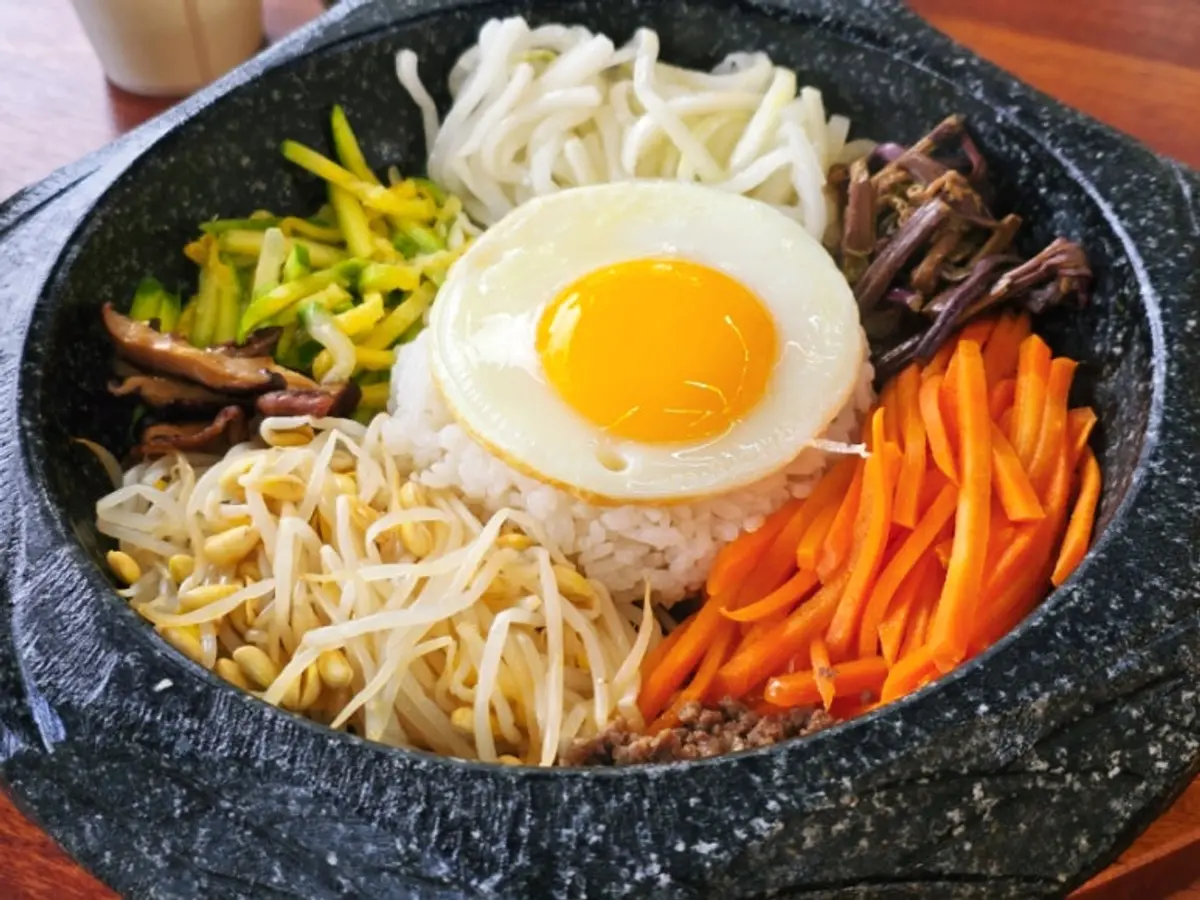
Bibimbap, literally "mixed rice," traces its most refined form to the Joseon royal court, where it was known as goldongban. The dish balances five colors — representing the traditional Korean cosmological palette — over warm rice, finished with gochujang and a raw or fried egg.
Jeonju is the celebrated home of bibimbap, but Seoul's traditional restaurants in Insadong and Samcheong-dong serve excellent versions. The hot stone bowl variant, dolsot bibimbap, develops a crisp rice crust at the base that many consider the dish's finest element. Look for restaurants that source seasonal vegetables and prepare each namul (seasoned vegetable) separately rather than as a single mix.
3. Samgyetang: Restorative Ginseng Chicken Soup
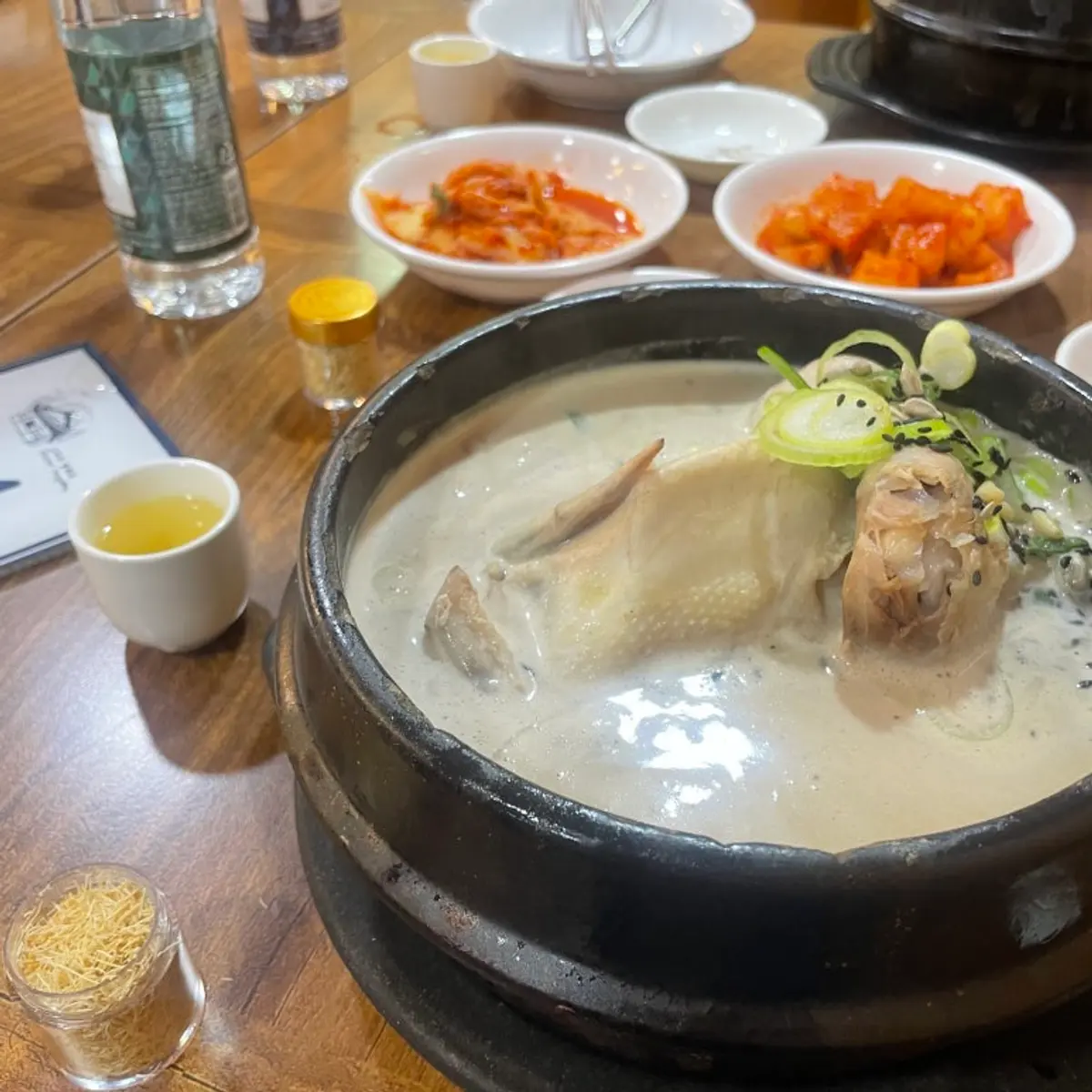
Samgyetang is a whole young chicken stuffed with glutinous rice, ginseng, jujubes, and garlic, then simmered until the broth turns milky and the meat falls cleanly from the bone. The dish is consumed most enthusiastically during sambok — the three hottest days of summer — under the principle of yi-yeol chi-yeol, treating heat with heat.
Tosokchon, a long-standing samgyetang house a short walk west of Gyeongbokgung's main gate, draws daily queues for good reason. Expect to wait twenty to forty minutes during lunch hours. The broth is delicate, faintly herbal, and best appreciated without excessive salt.
4. Naengmyeon: Which Cold Noodle Should You Order?
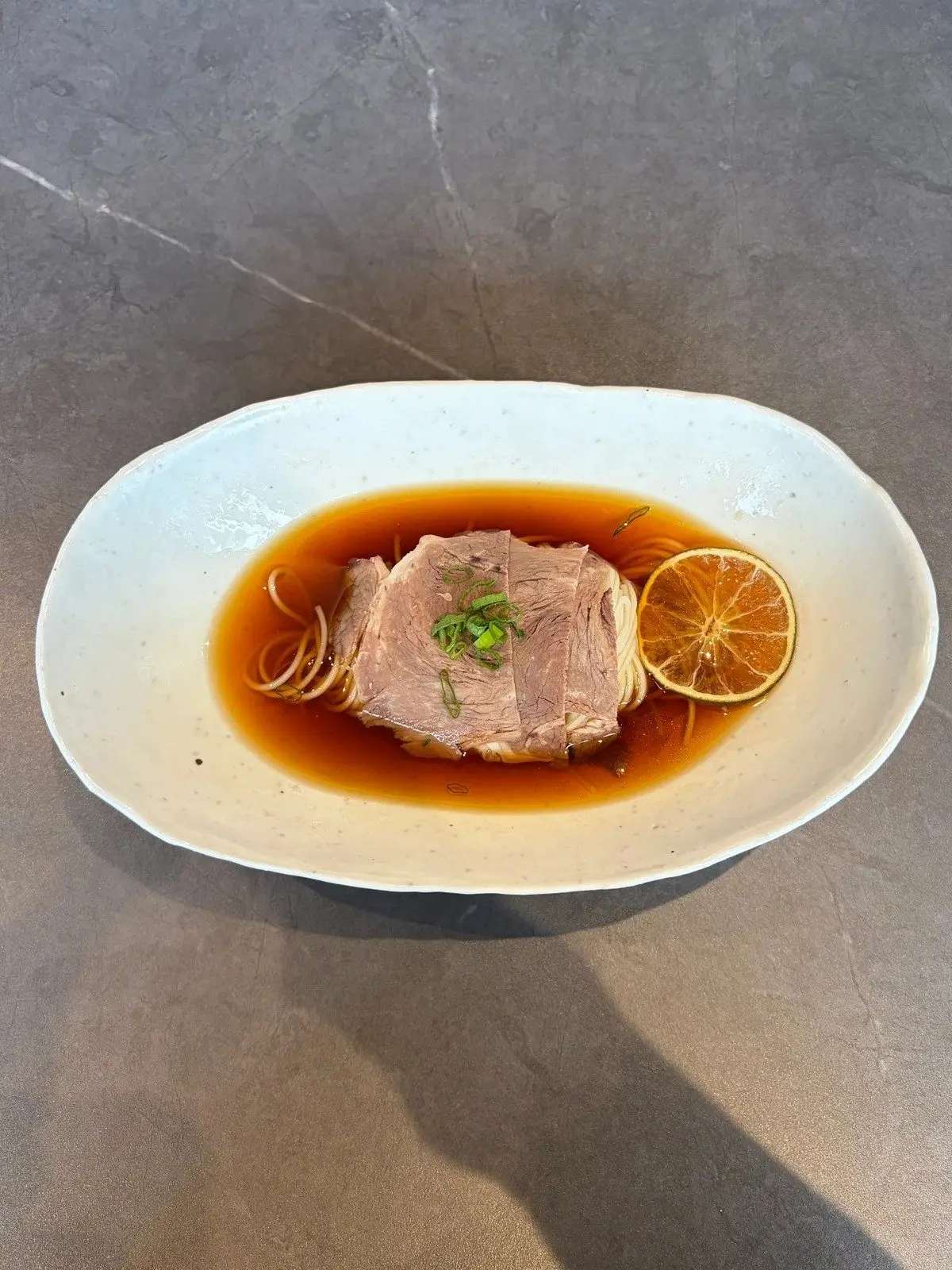
Naengmyeon arrived in Seoul with refugees from Pyongyang and Hamhung during and after the Korean War, and the two regional styles remain distinct. Pyongyang-style mul-naengmyeon features chewy buckwheat noodles in a clear, cold beef-and-radish broth, often topped with sliced pear, cucumber, and a half-boiled egg. Hamhung-style bibim-naengmyeon is dry, fiery, and dressed with gochujang.
The dish is traditionally eaten in summer but is increasingly served year-round. Pyongyang-style naengmyeon in particular requires a developed palate — its subtlety can read as blandness on first encounter, then becomes addictive on the third or fourth visit.
5. Korean Fried Chicken
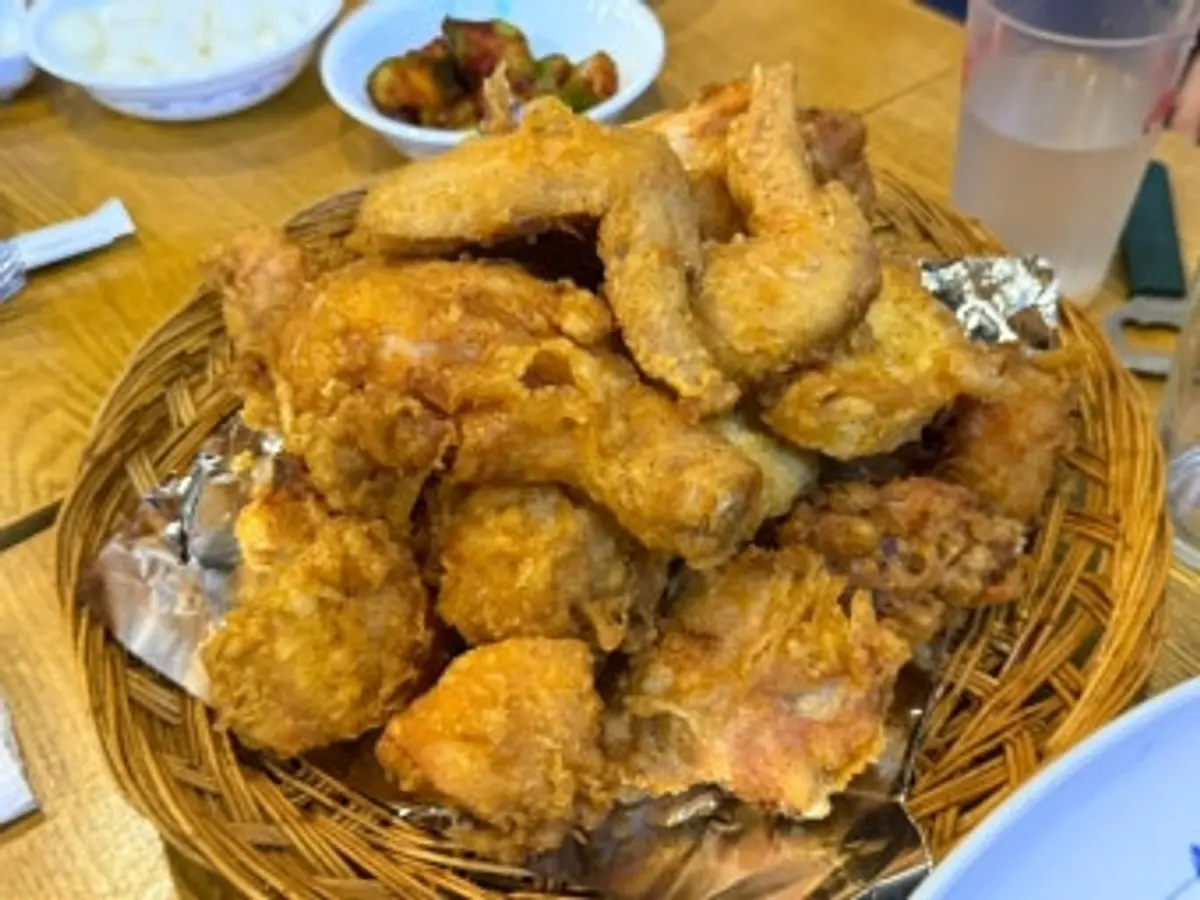
The twice-fried Korean chicken that conquered global menus in the 2010s deserves its reputation. The skin is thin and glassine; the seasoning ranges from plain salt to soy-garlic and the spicy-sweet yangnyeom glaze. Pair it with draft beer — the combination, called chimaek, is a cultural institution in itself.
For a refined version, seek out establishments that hand-cut their chicken and fry to order. Avoid franchised tourist traps near the major palaces; better quality is found a few blocks deeper into residential neighborhoods like Bukchon or Seochon.
6. Jjigae: Which Three Stews Should You Know?
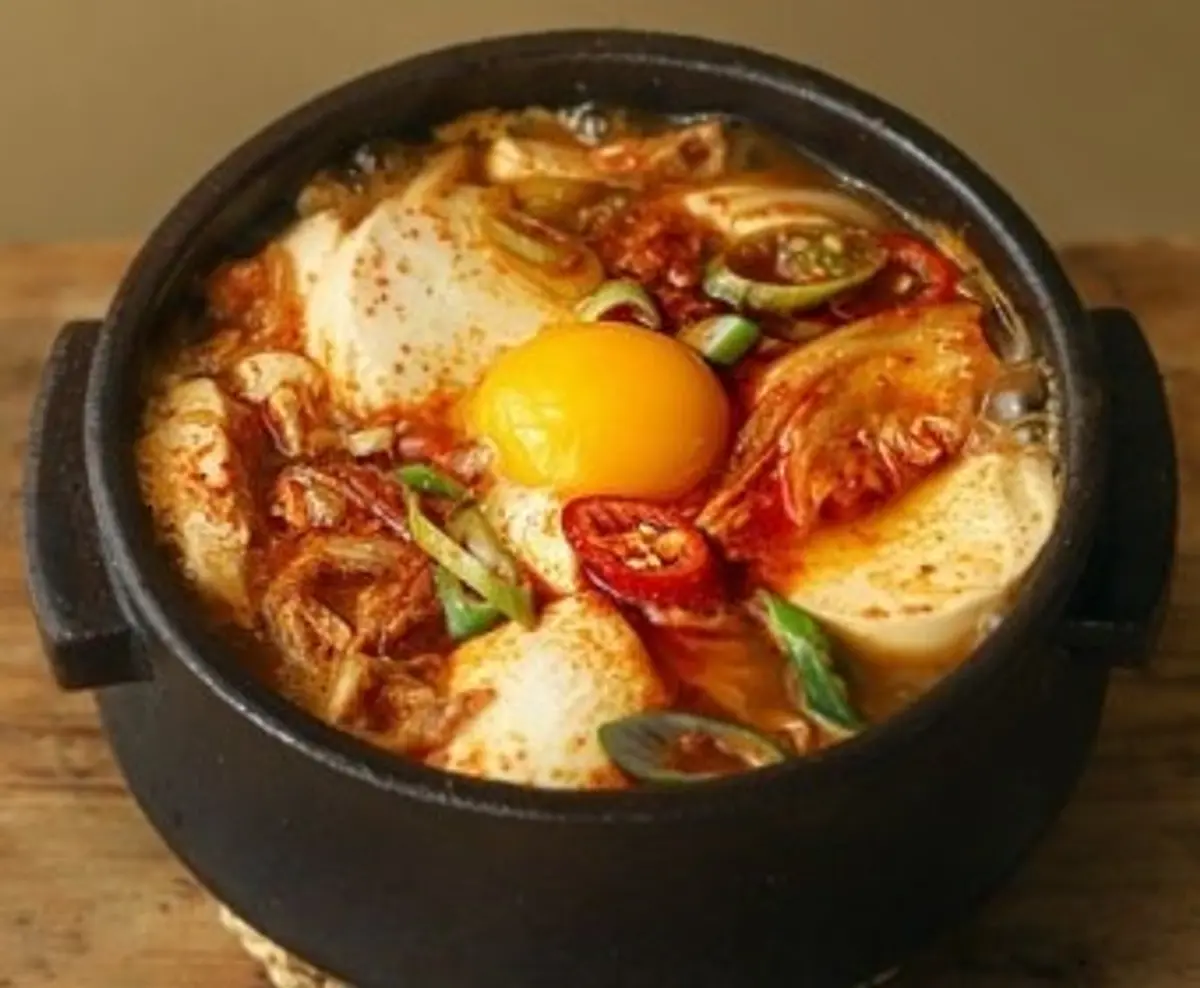
Jjigae is the everyday backbone of Korean dining. The three you should know:
- Kimchi jjigae — aged kimchi simmered with pork (or tuna) and tofu; the sour, spicy everyday classic.
- Doenjang jjigae — fermented soybean-paste stew with tofu, zucchini and clams; earthy, savory home cooking.
- Sundubu jjigae — silken tofu in a fiery red broth, usually finished with a raw egg cracked in at the table.
A proper jjigae arrives bubbling in an earthenware ttukbaegi, served with rice and a half-dozen banchan. The dish is unpretentious and intensely Korean — eat it at a lunch counter, not a tourist restaurant.
7. Gimbap: Seoul's Portable Lunch
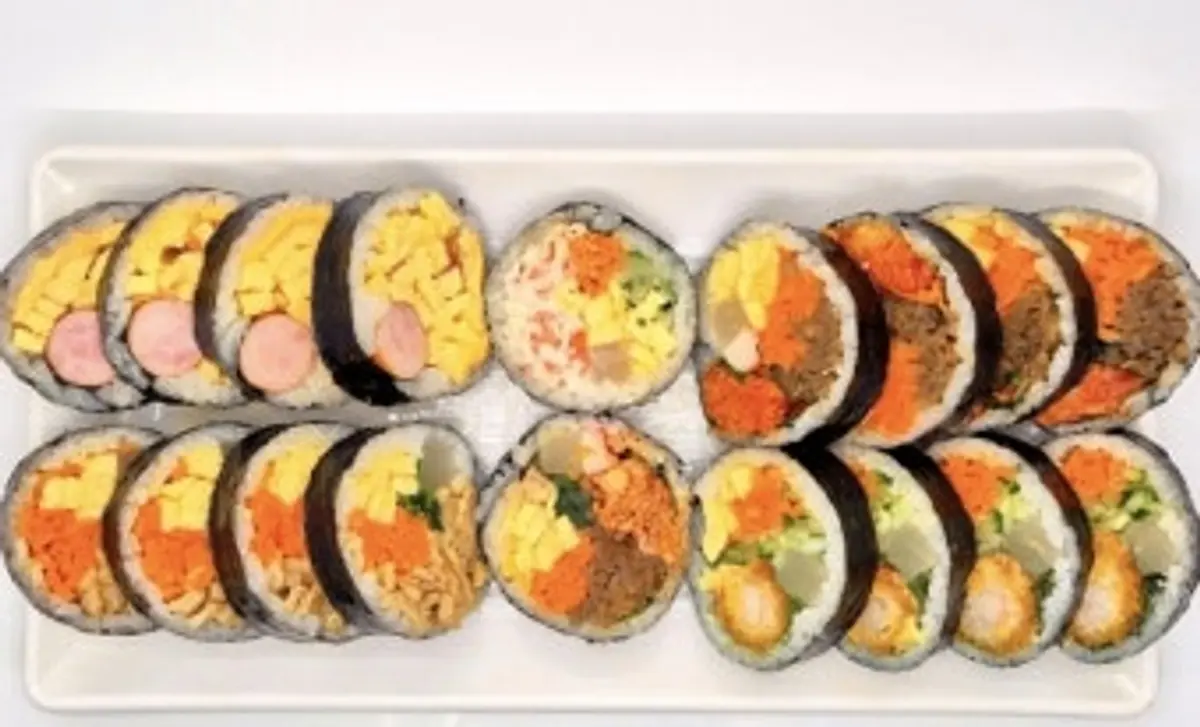
Gimbap is often mistranslated as Korean sushi, but the lineage and flavor profile are distinct. Rice is seasoned with sesame oil rather than rice vinegar, and the fillings — typically pickled radish, spinach, carrot, egg, and bulgogi or tuna — lean toward the savory and earthy.
Chungmu gimbap, a regional variant from Tongyeong, separates the components, while the trendy nude gimbap inverts rice and seaweed. Both make excellent lunch options for a palace visit or a hike up Inwangsan.
8. Tteokbokki: Seoul's Defining Street Food
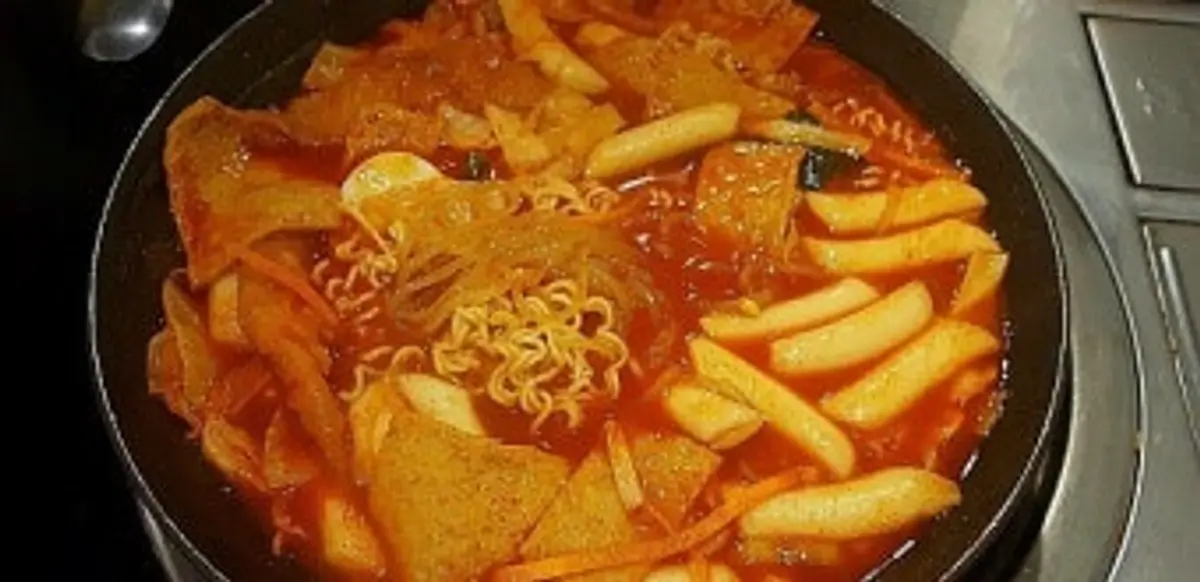
Tteokbokki — cylindrical rice cakes simmered in a gochujang-based sauce with fish cake and scallion — is the dish most associated with Seoul's street food culture. Its modern, intensely spicy form emerged in the 1950s from a stall in Sindang-dong, which Visit Korea recognizes as the birthplace of the contemporary recipe.
Gwangjang Market and Tongin Market both serve excellent tteokbokki. Tongin Market, in Seochon just west of Gyeongbokgung, also operates a charming dosirak (lunchbox) café program (closed Tuesdays) where visitors purchase old coins and exchange them at vendor stalls.
9. Jjajangmyeon: Korean-Chinese Comfort
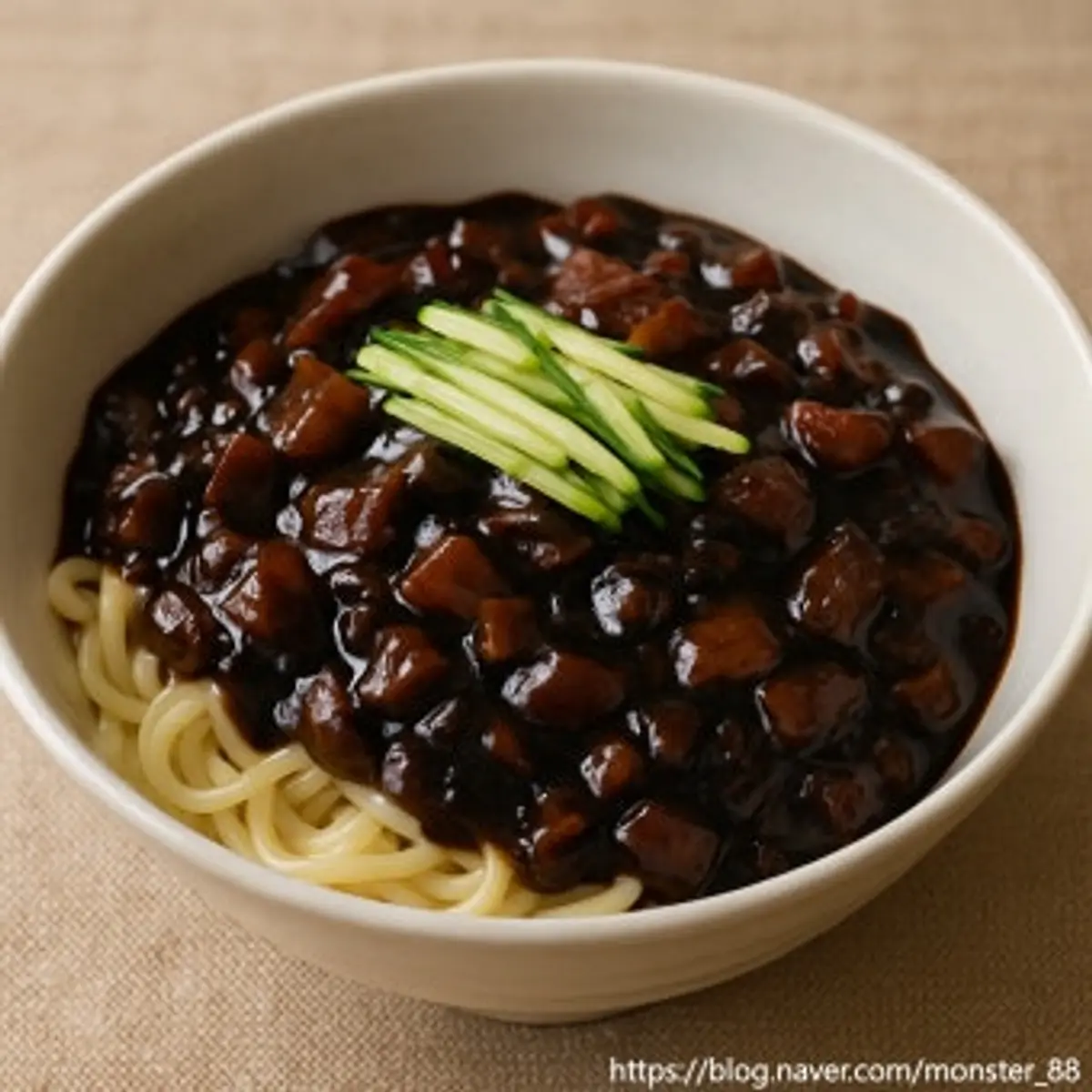
Jjajangmyeon is a Korean adaptation of a Shandong noodle dish, brought by Chinese immigrants to Incheon in the late 19th century and transformed over generations into something distinctly Korean. The sauce — black bean paste, pork, onion, and zucchini — is glossy and faintly sweet, draped over thick hand-pulled noodles.
The dish is so embedded in Korean life that April 14 is recognized as Black Day, when single people gather to eat jjajangmyeon. For travelers, it offers a useful counterpoint to the spicier elements of Korean cuisine.
10. Bossam: Boiled Pork with Wrappings
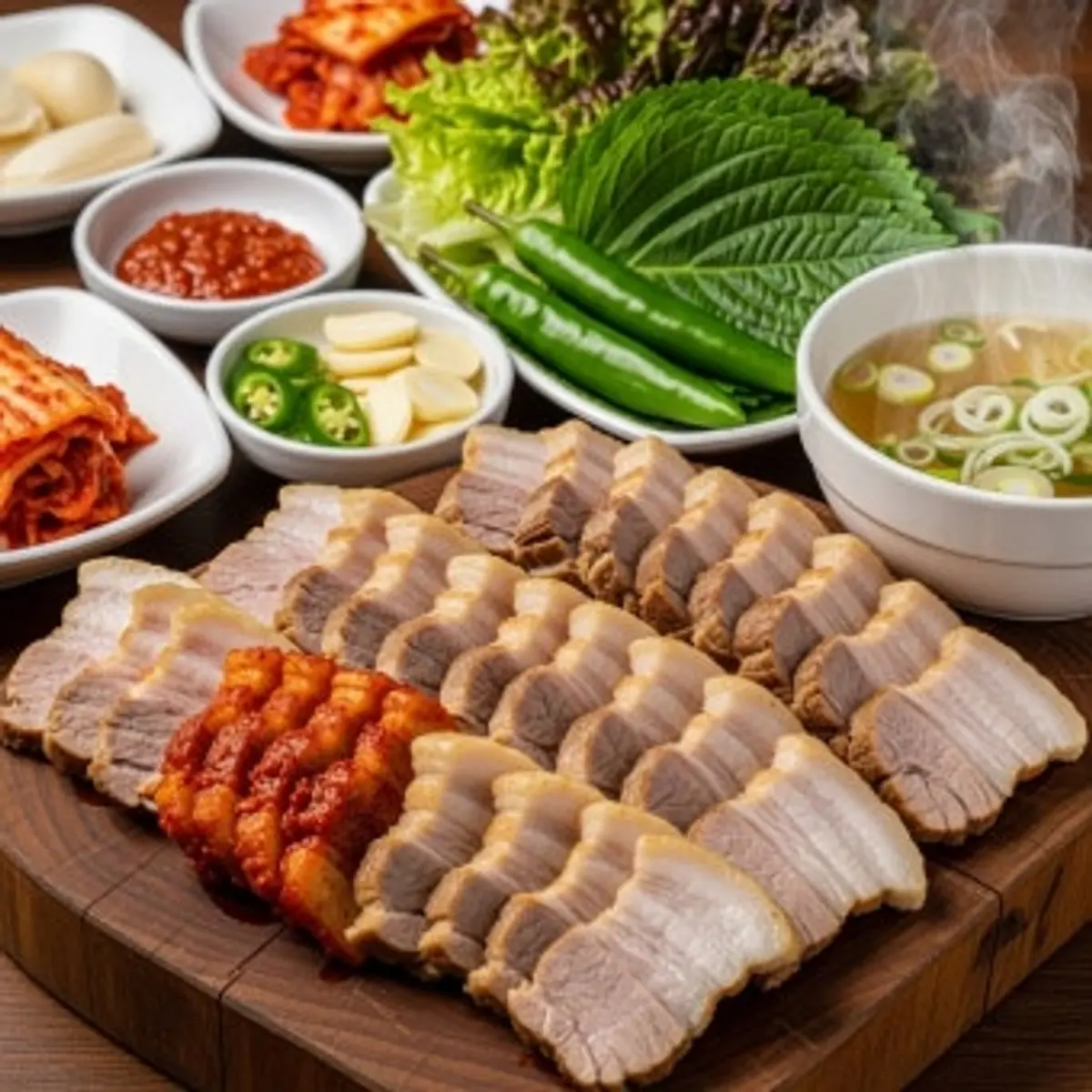
Bossam is thinly sliced boiled pork belly served with kimchi, salted shrimp, raw garlic, and lettuce or perilla leaves for wrapping. The meat is tender and unembellished; the complexity comes from how you assemble each bite. It is communal food — best eaten in a group with soju or makgeolli.
Many of Seoul's most respected bossam houses are clustered around the Jongno 3-ga area, within walking distance of major landmarks.
How Much Does a Meal in Jongno Cost?
Most dishes on this list can be sampled within a one-kilometer radius of Gwanghwamun Square. The neighborhood is well served by Line 3 (Gyeongbokgung Station, Anguk Station) and Line 5 (Gwanghwamun Station). Lunch service typically runs 11:30 to 14:30, with dinner from 17:30 onward. Reservations are essential at higher-end establishments, particularly on weekends and during cherry blossom and autumn foliage seasons.
Budget guidance, roughly: street food and casual lunches run ₩6,000 to ₩12,000 per person; mid-tier dinners with banchan, ₩25,000 to ₩45,000; Hanwoo omakase in Jongno runs from ₩69,000 (KUT SEOUL's 8-dish weekday lunch) to ₩280,000 (15-course Royal).
Ending Your Day in Jongno
A thoughtful itinerary often begins with the morning quiet of Gyeongbokgung Palace, moves through the wooden gates of Bukchon Hanok Village in the afternoon, and resolves in the early evening with a considered meal. For travelers who have spent the day reading the city's layered history, the natural conclusion is a dish that gathers that history into a single experience.
KUT SEOUL is 20–25 minutes on foot from Gwanghwamun, or one stop on Line 5 to Jongno 3-ga — 3F Hanol Tower, 96 Jongno, next to Tapgol Park. Counter seats take the Posh course (₩175,000); private rooms start from Posh at weekday lunch, Signature (₩210,000) at dinner and on weekends, up to Royal (₩280,000); on weekdays the 8-dish ₩69,000 lunch runs 80 minutes at the counter. Reservation only on CatchTable — which seat suits your evening.
KUT SEOUL: Bar 8 dishes ₩69,000 (weekday lunch, counter only, 80 min) · Posh 11 ₩175,000 · Signature 13 ₩210,000 · Royal 15 ₩280,000 · Kids ₩45,000 (ages 7 and under). Signature and Royal are private-room only; Posh is also served in a private room at weekday lunch (counter at weekday dinner and on weekends and holidays). BMS No. 9 Hanwoo, vacuum (wet) aged four weeks — not dry-aged. Grades run 3/2/1/1+/1++; since December 2019, 1++ covers marbling scores 7–9 and the number is displayed. KUT serves No. 9 only.
3F Hanol Tower, 96 Jongno — 5–7 minutes from Jongno 3-ga Station (Lines 1·3·5) Exit 15 or Jonggak Station (Line 1) Exit 4; next to Tapgol Park; 20–25 minutes on foot from Gyeongbokgung. Lunch 11:30–15:00 (last order 14:30), dinner 17:30–22:00 (last order 19:30), closed Tuesdays. Reservation only, through CatchTable or Naver. Deposit is 100% of the order; cancellation is free two days before, 50% one day before, none on the day.
If this guide has been a sketch of Seoul's culinary breadth, an evening of Hanwoo omakase is a study of its depth. The two complement each other, and together they leave you with the rare sense of having truly eaten in a city — not merely passed through it.