An omakase is, in the strictest sense, a surrender. You choose the restaurant, and the chef chooses the rest — which cut, in which order, with which accompaniment, at which temperature. For travelers new to Hanwoo, Korea's indigenous cattle graded on a BMS scale that tops out at nine, that surrender can feel abstract. What actually arrives at the table? In what sequence? And why does the order matter?
At KUT SEOUL, a Hanwoo omakase restaurant on the third floor of Hanol Tower at 96 Jongno, the answer is unusually legible. The house publishes the full progression of its Signature course — thirteen dishes, each named and described — and the arc is a deliberate one, moving from a warm welcome cup to a lemongrass panna cotta some three hours later. Between those two moments, BMS No. 9 Hanwoo aged for four weeks appears in five distinct cuts, each treated differently, each meant to be tasted in a particular way.
What follows is a course-by-course walkthrough of that Signature menu — the thirteen-dish arc that most first-time guests are steered toward — with notes on what shifts if you choose the shorter Bar course, the eleven-dish Posh, or the fifteen-dish Royal.
The Shape of the Meal: Five Courses at KUT SEOUL
Before the first dish arrives, it helps to know which menu you have booked. KUT SEOUL runs five courses in parallel, each carrying a single-letter name and a distinct depth. The Royal (R KUT) is the most elaborate at fifteen dishes and ₩280,000, built around live lobster sashimi with caviar, Châteaubriand and truffle, and lobster gratin — the house recommends it for anniversaries and signature business dinners. The Signature (S KUT), the thirteen-dish course this article follows, sits at ₩210,000 and is described as the most balanced expression of the kitchen's identity and the most recommended introduction for first-time guests. Below that, the Posh (P KUT) offers eleven dishes at ₩175,000, unfolding the spectrum of Hanwoo cuts without ceremony. The Bar (B KUT), at ₩69,000 for eight dishes, is available only at weekday lunch and functions as a gentler introduction to the house style. A Kids course rounds out the list at ₩45,000 — six items arranged on a single plate and served all at once, so families can dine at the same table without pacing conflicts.
| Course | Dishes | Price | Service | Seating |
|---|---|---|---|---|
| R KUT — Royal | 15 | ₩280,000 | Lunch · Dinner | Private rooms only |
| S KUT — Signature | 13 | ₩210,000 | Lunch · Dinner | Private rooms only |
| P KUT — Posh | 11 | ₩175,000 | Lunch · Dinner | Counter · rooms at weekday lunch |
| B KUT — Bar | 8 | ₩69,000 | Weekday lunch only | Counter only |
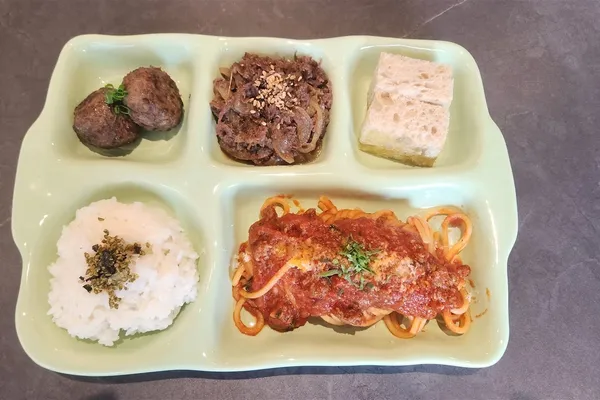
| Kids KUT | 1 plate · 6 items | ₩45,000 | All day | Private rooms, ages 7 and under |
Prices as of the current KUT SEOUL menu; check the official site for the latest figures. If you are still weighing which tier to book, our first-timer's guide to choosing a Hanwoo omakase course walks through the trade-offs in more detail.
Courses One to Four: The Opening — Tea, Ginseng, Tartare, Citrus
The first four dishes on the Signature course are the kitchen's overture: warm, then cold, then raw, then bright. Nothing is grilled yet, and nothing overwhelms.
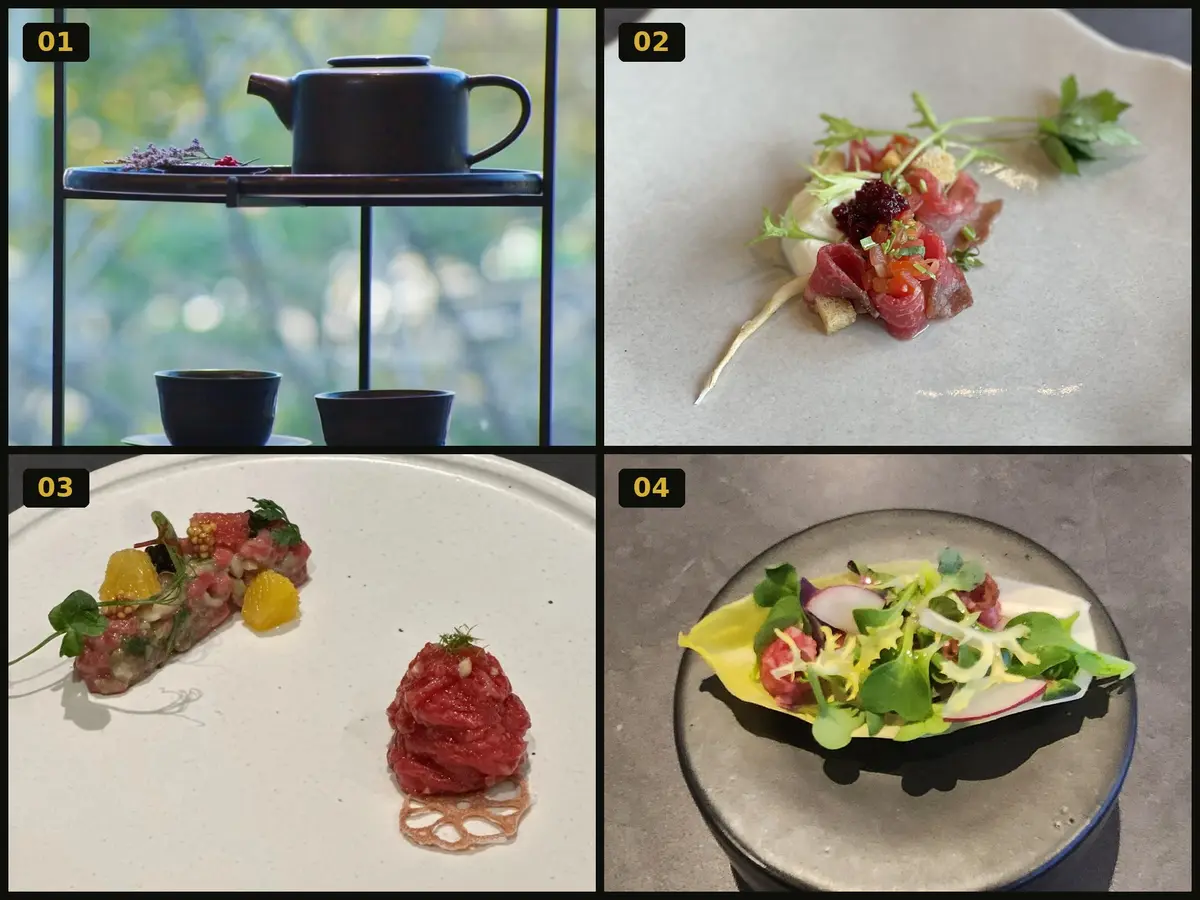
Dish one is a Welcoming Tea — Jeju-grown young green tea roasted with cacao nibs and black sugar, served warm as a KUT-style welcome intended to support digestion. It arrives before you have unfolded your napkin and sets the register of the meal: quiet, considered, low in sweetness.
Dish two, Jamón Granita and Wild Ginseng, is the first act of contrast. Aged Spanish jamón meets ricotta, blackberry granita, and fresh greens, and wild ginseng threads through the plate. The result balances umami, acidity, and texture in a single bite, and it is where the meal's Korean-meets-Western vocabulary is first declared.
Dish three is where the beef finally enters — Two Types of Beef Tartare with Avruga, one prepared in a Korean style and one in a Western style, brightened with citrus notes, herbs, and Avruga caviar. Eating them side by side is a small comparative exercise: the same raw Hanwoo, treated by two different traditions.
Dish four, Citrus Garden, is a palate cleanser rather than a course in the heavy sense — crisp endive, thinly cut beef, pear, and baby greens, dressed with citrus and a yuzu kosho aioli. It resets the mouth for what follows: heat, smoke, and marbling.
Courses Five to Nine: The Grill — Five Cuts of BMS No. 9 Hanwoo
This is the spine of the meal. Across five consecutive courses, the chef presents five distinct cuts of BMS No. 9 Hanwoo, aged four weeks, each cooked and garnished to bring out its specific character. If you have wondered what "omakase" means in a Korean-beef context, this middle stretch is the answer.
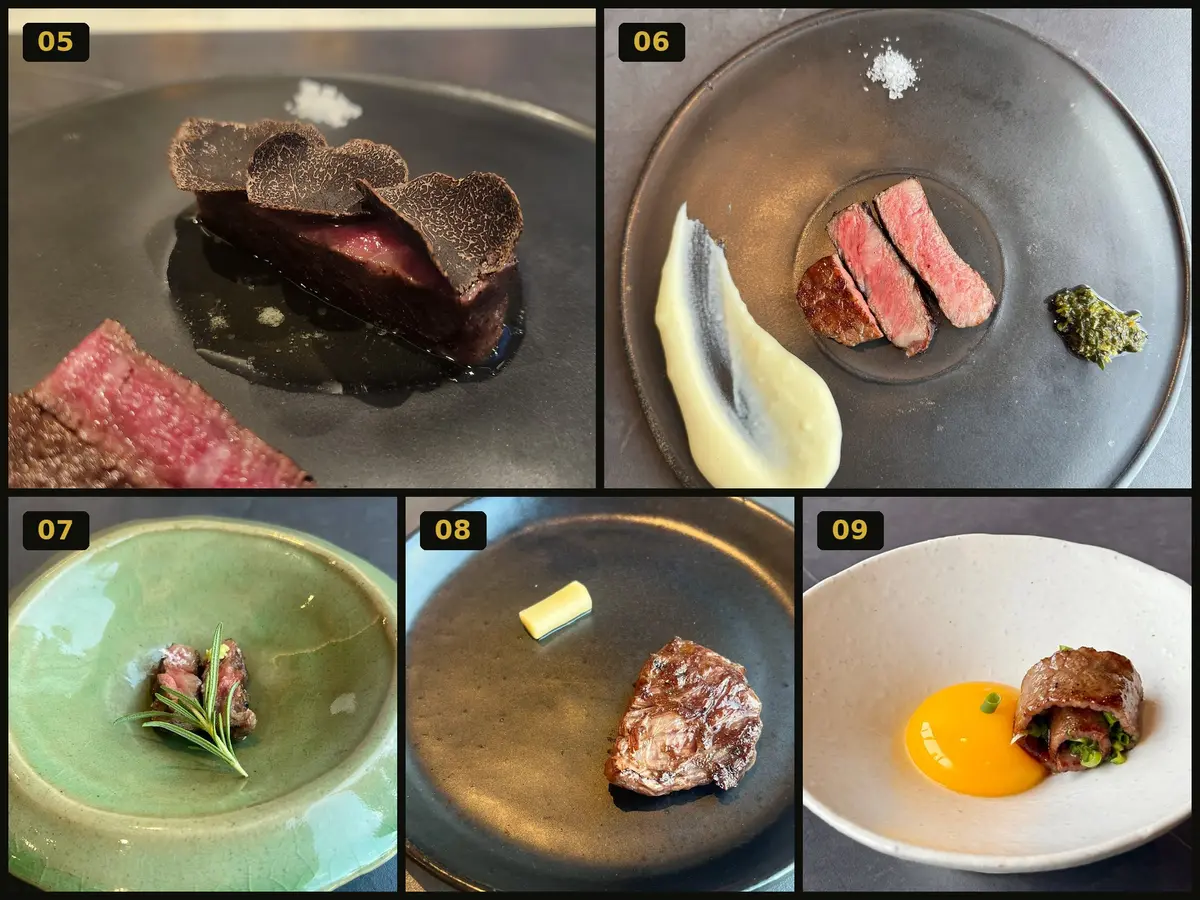
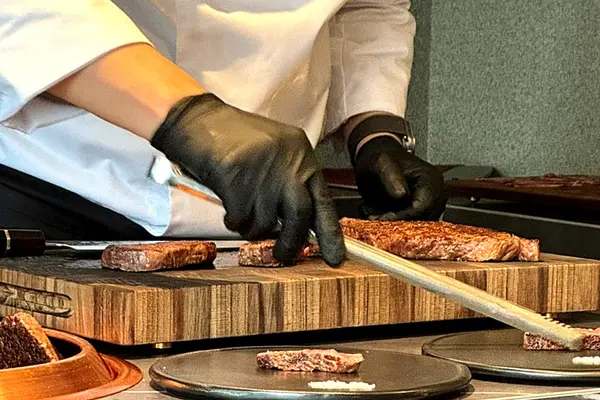
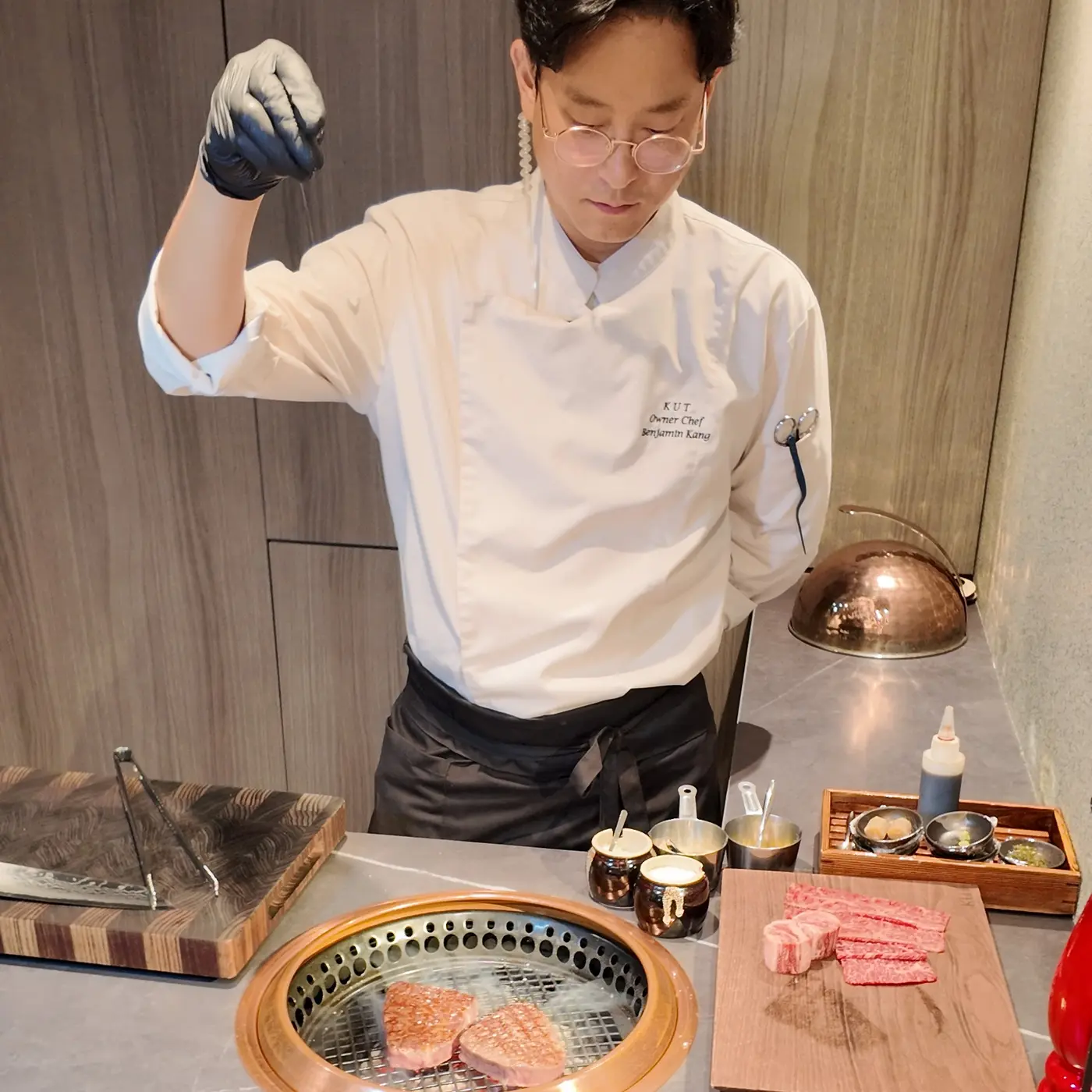
Course five is Châteaubriand and Truffle — the tender heart of the tenderloin, grilled to medium rare and offered three ways: on its own, with a pinch of salt, or paired with truffle butter and shaved fresh truffle. The house guidance is to try the first bite unadorned, so the beef speaks first.
Course six is Striploin (sirloin), seared to hold in its juices and served with potato purée, sea salt, and chimichurri. After the delicacy of Châteaubriand, this is the first dish where the beef's fat is unmistakably at the front of the palate.
Courses seven and eight are labeled simply Special Part 1 and Special Part 2 — the pair the kitchen reserves for its rarer cuts. Special Part 1 is a rare tenderloin cut with delicate texture and rich flavor, lifted by a whisper of rosemary. Special Part 2 is a richly marbled outside skirt with deep, beefy flavor and a juicy bite, served with lightly pickled burdock whose crispness and subtle acidity cut through the richness. Together they demonstrate the tenderloin/skirt polarity — one lean and aromatic, one fatty and assertive — that defines a serious Hanwoo tasting.
Course nine is Marinated Chuck Flap Tail, crisp on the outside and tender within, rolled with scallions and served with fresh egg yolk for a rich, balanced bite. It is the last of the grilled courses and the one most obviously rooted in Korean grill tradition, though rendered with omakase precision.
Courses Ten to Thirteen: The Descent — Truffle Flower, Cold Noodles, Stone Pot Rice, Dessert
After five consecutive grilled courses, the meal turns. The final four dishes wind down the intensity without ever losing focus.
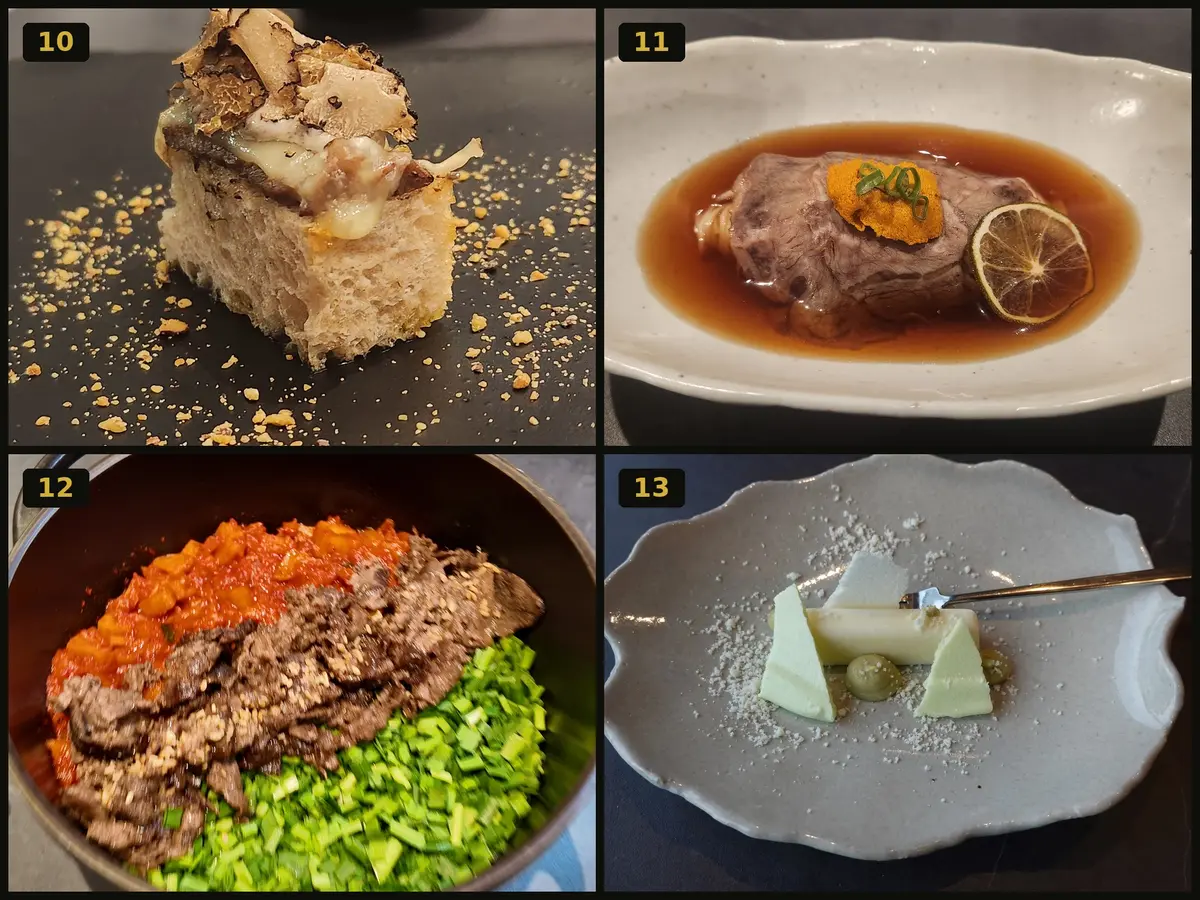
Course ten, Truffle Flower, is one of the richest plates of the meal — sourdough topped with filet mignon, melted Emmental, and truffle paste, finished with shaved fresh truffle. It functions as a bridge: still rich, still beef-forward, but bread-based and warm rather than grill-hot.
Course eleven is Citrus Beef Shank Cold Noodles with Uni — cold noodles in a citrus soy-based broth with tender beef shank and uni, finished with lime and fresh scallions. The temperature drop is deliberate; after so much fat and fire, the cold citrus broth reads almost like a second palate cleanser, and the uni adds a marine sweetness that complements the shank.
Course twelve, the traditional Korean anchor of the meal, is Stone Pot Rice — dolsot bap made with premium bulgogi and a porcini-infused broth, served with pollock soup and Korean side dishes. This is where a Hanwoo omakase reveals its Korean bones. In Japanese omakase the rice course tends to be sushi; here it is a bubbling stone pot, its bottom crust forming as you eat.
Course thirteen is Dessert — a panna cotta of lemongrass, honey, and vanilla, topped with yuzu-orange granita, peach purée, candied walnuts, and apple mint. The house instruction is to spoon everything together for the full harmony, and the yuzu-orange granita mirrors the citrus notes that ran quietly through courses two, three, four, and eleven. The meal closes on the same register it opened: cool, aromatic, restrained.
How the Other Courses Differ
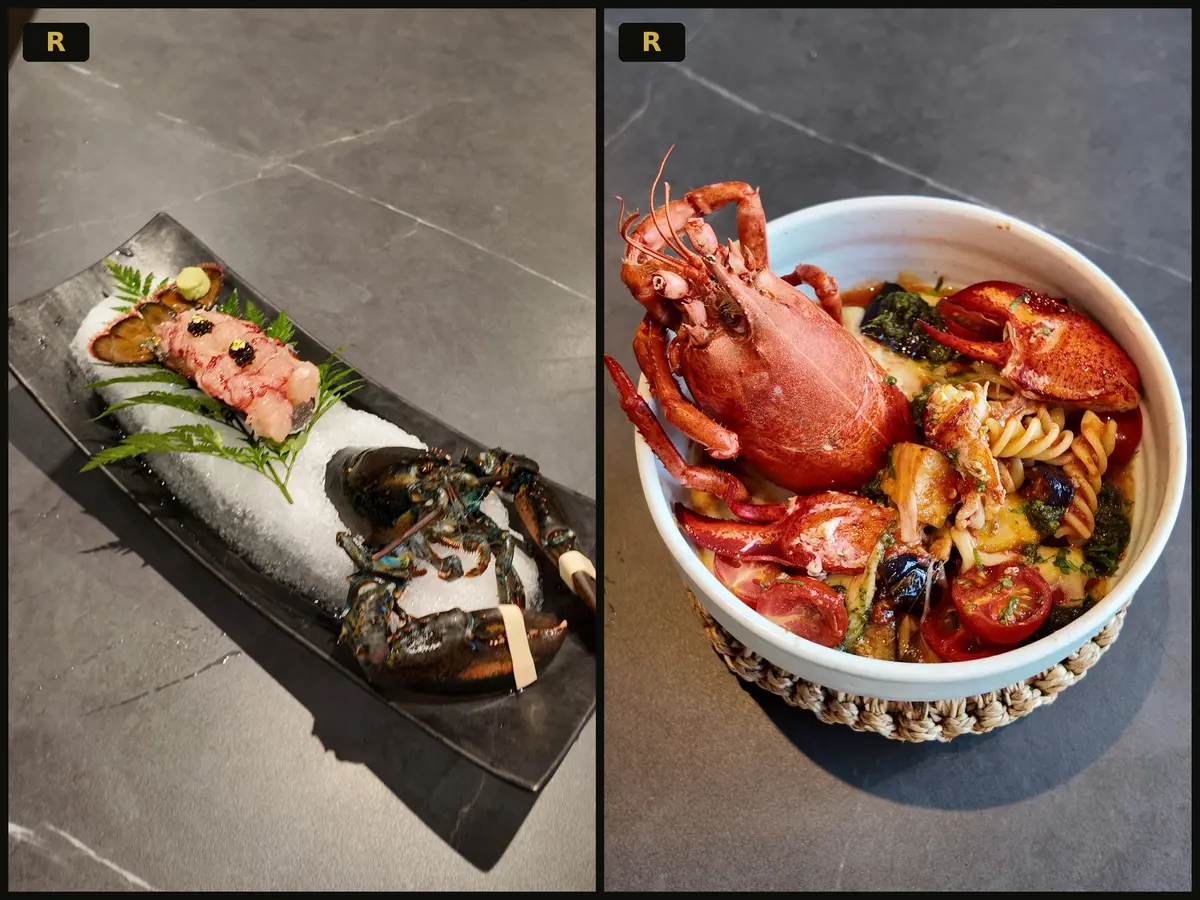
If you book the Royal course, two additional dishes frame the beef: live lobster sashimi with caviar before it begins, and lobster gratin after the grilled cuts. The Châteaubriand and truffle course remains at its center, and the total dish count rises to fifteen. The Posh course, at eleven dishes, keeps the tenderloin–sirloin–premium-cut spine but tightens the openers and the closers. The Bar course, at eight dishes, is the most compressed reading — one grilled cut of tenderloin or striploin, chosen by the chef on the day, in place of five. Whichever you choose, the underlying beef is BMS No. 9 Hanwoo aged four weeks, and the rice and side dishes are Korean.
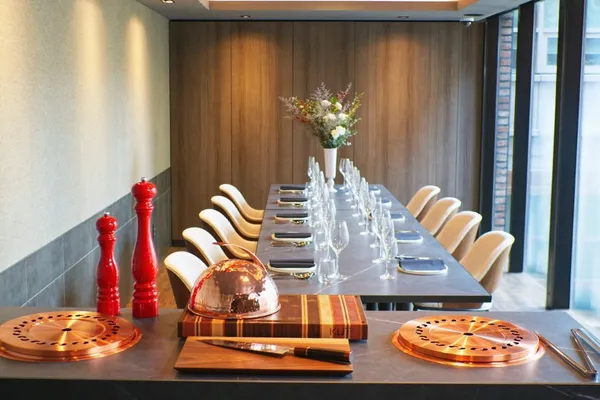
Seating follows the course. The Bar is served only at the eight-seat chef's counter; the Signature and Royal only in the five private rooms; the Posh at the counter or, at weekday lunch, in a room. A practical note on pacing: the Signature course runs roughly three hours from welcome tea to dessert in a private room, while a counter meal runs about two. If you are dining before an evening walk to Cheonggyecheon, factor that into your booking.
Ending Your Day in Jongno
A Hanwoo omakase is not a meal you slot between other errands. It works best as the anchor of an evening — ideally after a slow afternoon of walking, so you arrive genuinely hungry and unhurried. Gyeongbokgung, Bukchon and Insadong can all lead you to the door of 96 Jongno.
KUT SEOUL sits on the third floor of that building, a five-minute walk from Jongno 3-ga Station (Lines 1, 3 and 5). If you would like to see how the same meal reads differently from the counter versus one of the five private rooms, our guide to counter seats and private rooms at KUT SEOUL is a useful companion piece. When you are ready to book, the KUT SEOUL homepage links directly through to the reservation system. Choose your course, and then let the kitchen do the rest — which, after all, is what omakase has always meant.