Jongno is the oldest neighbourhood in Seoul, and the subway map underneath it reflects six centuries of civic geography. Four lines converge on the old Joseon capital — Line 1 following the historic Jongno artery east to west, Line 3 rising from the palaces down through Anguk and Jongno 3-ga, Line 5 crossing at Gwanghwamun, and Line 2 catching the western edge at City Hall. Six stations serve the district, and the exit you choose can be the difference between a two-minute walk and a fifteen-minute detour across some of central Seoul's busiest intersections.
This guide is a reference rather than an itinerary. It gathers the confirmed line numbers, exit numbers and destinations for the six stations that matter in Jongno — the ones travel articles keep having to repeat — so that any evening in the district begins with the right escalator instead of the wrong one. For a walking route to KUT SEOUL specifically, see our dedicated guide on getting to KUT SEOUL from Jongno 3-ga and Jonggak.
All station-and-exit information below is drawn from the operating railway records and Seoul city sources; opening hours, admission and other tourist details change often, and are flagged inline where they matter.
Which Jongno subway station should you use?
Start with the landmark, then work back to the exit. The six stations in and around Jongno each cover a different arc of the district, and the shortest walk is almost never from the station whose name you recognise.
| Station | Lines | Best for | Key exits |
|---|---|---|---|
| Jongno 3-ga | 1, 3, 5 | Ikseon-dong, Jongmyo, Tapgol Park, KUT SEOUL | 3 (Jongmyo), 4 (Ikseon-dong), 15 (Tapgol Park, KUT SEOUL) |
| Jonggak | 1 | Bosingak, Jogyesa, YMCA, KUT SEOUL | 2 (Jogyesa), 3 (Insadong south), 4 (Bosingak) |
| Anguk | 3 | Bukchon, Insadong north, Changdeokgung | 2 or 3 (Bukchon), 3 (Changdeokgung), 6 (Insadong) |
| Gyeongbokgung | 3 | Gyeongbokgung Palace, Seochon | 5 (palace), 4 (Seochon) |
| Gwanghwamun | 5 | Gwanghwamun Square, Sejong Center, Kyobo | 1 (Sejong Center), 2 (square), 5 (Cheonggyecheon) |
| City Hall | 1, 2 | Deoksugung, Seoul Plaza | 2 (Deoksugung), 5 (Seoul Plaza) |
A single practical rule underpins all six: Jongno's stations tend to be large, with multiple concourses and lengthy underground transfers. Deciding on the exit before you tap in — from the map on the platform, not once you are already at street level — will save more time than any single line choice.
KUT SEOUL is a 3-minute walk from Jongno 3-ga Station (Lines 1·3·5) Exit 15 — 3F Hanol Tower, 96 Jongno, next to Tapgol Park, reservation only.
Jongno 3-ga Station (Lines 1, 3, 5) — which exit for what?
Jongno 3-ga is the anchor of the district. Jongno 3-ga has 16 exits with three subway lines running through the station, which makes it Seoul's busiest downtown interchange and, for most travellers, the default arrival point for old Jongno. Line 3 services began stopping at Jongno 3-ga on October 18, 1985, and on December 30, 1996, Line 5 trains began calling here, joining the original Line 1.
The exits fan out around the Jongno–Donhwamun-ro intersection. To the north, Ikseon-dong is located outside Exit 4, the entrance to the hanok alleys behind the station. To the east, Exit 3 leads to Jongmyo and Jongmyo Citizens' Park, with further exits (9, 10, 11) also serving the shrine's southern approaches. To the west and south, Exit 1 leads to Tapgol Park and Insa-dong, while Exits 13 and 14 drop down to Cheonggyecheon.
For KUT SEOUL, the correct exit is 15, on the south-west corner of the intersection. If you are arriving during the New Year bell ringing, note that if Jonggak Station is crowded during the Bosingak bell ringing event, it is recommended to use Exit 15 of this station. This station is also congested, but less congested than Jonggak Station.
A useful detail if you plan to change lines here: transfers between Lines 1, 3 and 5 are available within the paid station area. The station is large, and some transfer routes involve lengthy underground passages, stairs, escalators and changes between levels. Allow five to eight extra minutes for a 1↔5 change in particular.
Jonggak Station (Line 1) — the Bosingak side
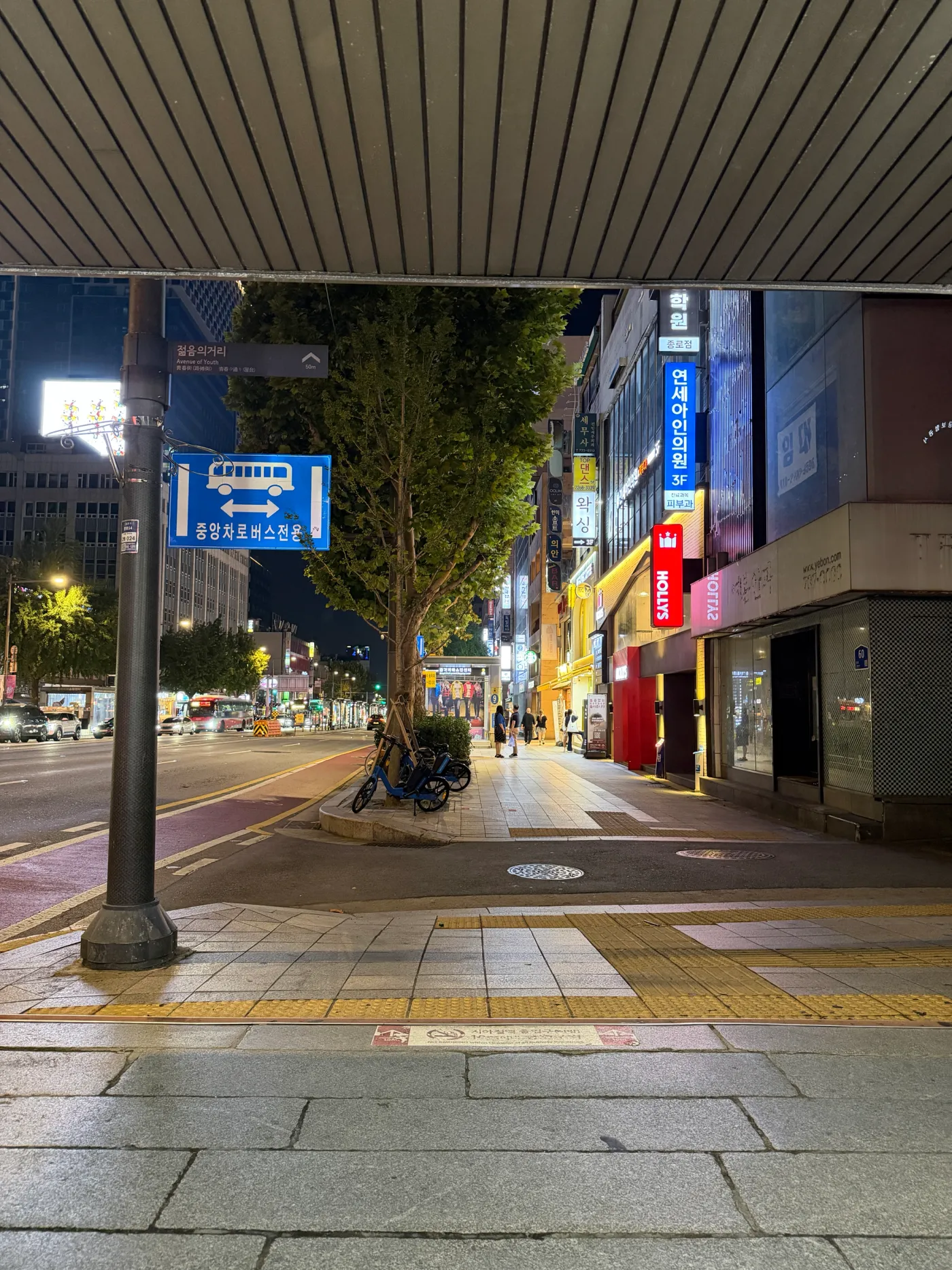
Jonggak is one stop west of Jongno 3-ga on Line 1 and covers the western half of old Jongno. The station takes its name from the bell pavilion directly above it: Bosingak sits 63 metres from Exit 4 of Jonggak Station on Line 1, a one-minute walk. Exit 4 is the reference point for the whole area — the pavilion, the bell-ringing ceremonies, and the small nightlife pocket just south of Jong-ro.
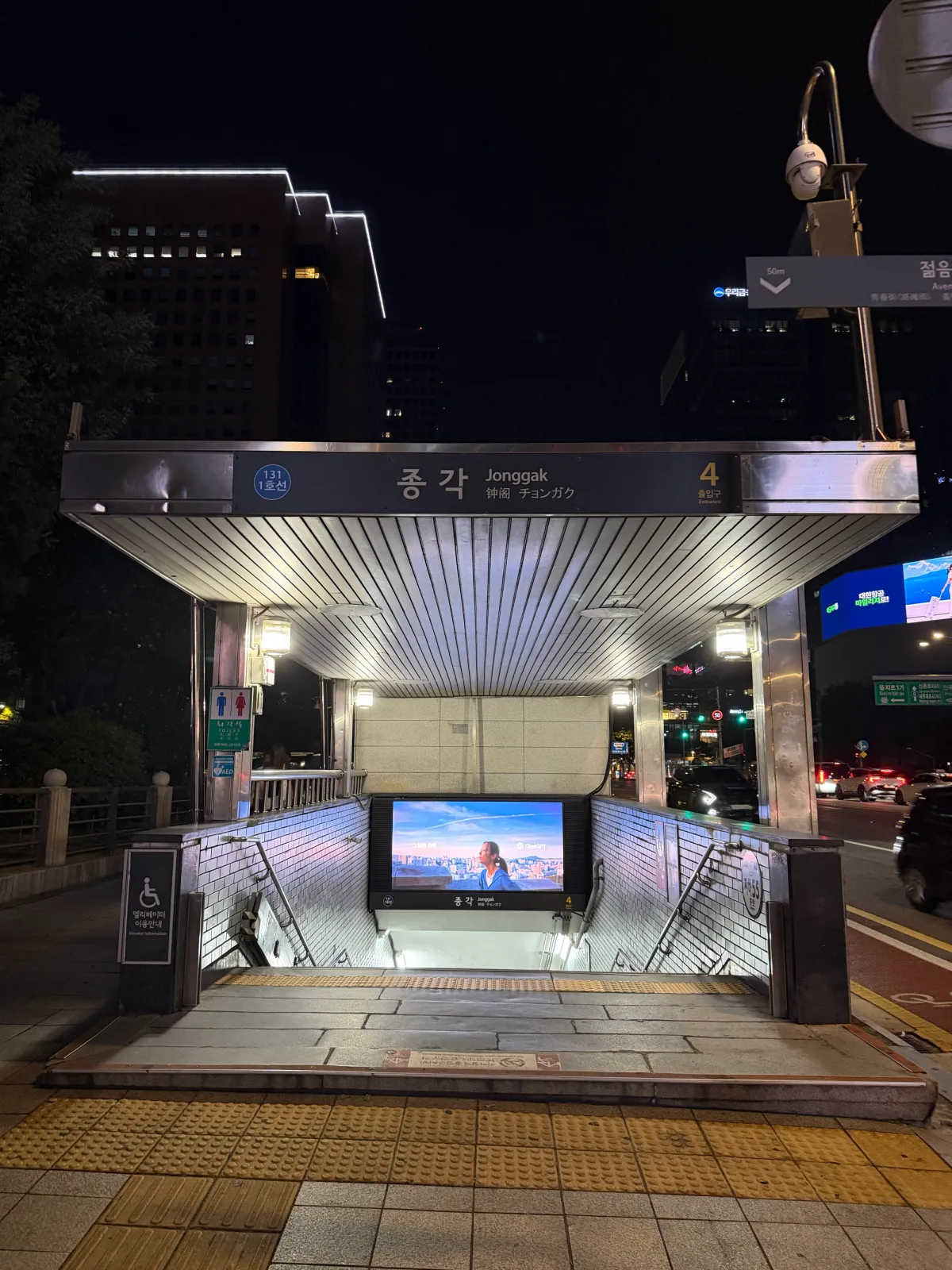
The other exits divide the compass: Exit 1 leads west toward Gwanghwamun and the Jongno Gu Office; Exit 2 leads toward Gongpyeong-dong, Anguk-dong and Jogyesa, the head temple of Korean Jogye Buddhism; and Exit 3 leads north-east toward Insa-dong and the Seoul YMCA. If you are heading for the southern end of Insadong-gil, Exit 3 will usually land you closer than any exit at Anguk.
One cautionary note about big nights: on New Year's Day the area is so crowded with tens of thousands of Seoulites that trains do not stop at Jonggak, to avoid any accidents. Plan around this if you have a December 31 dinner booking anywhere in the district.
Anguk Station (Line 3) — Bukchon, Insadong and Changdeokgung
Anguk is the station for the northern half of the Jongno tourist cluster. It sits under Yulgok-ro between Gyeongbokgung and Changdeokgung, and its six exits fan out toward every major hanok attraction on the north side of the palace ridge.
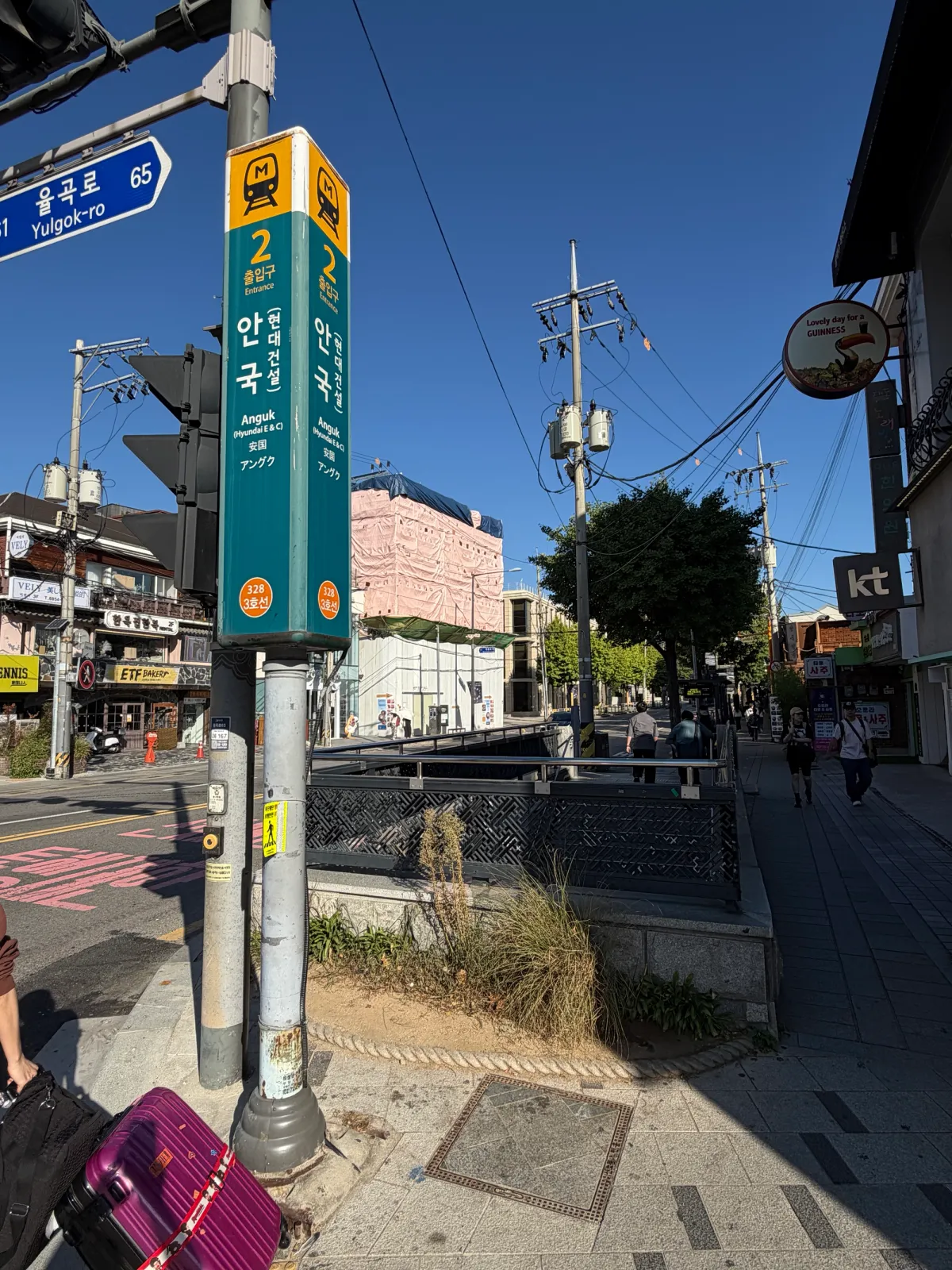
For Bukchon Hanok Village, use Exit 2 or Exit 3. Anguk Station is the main access point for Bukchon Hanok Village, with the famous Bukchon-ro 11-gil viewpoint about a 10-minute uphill walk from Exit 2. Note the Bukchon Special Management Area rule: tourist access to the residential zone along Bukchon-ro 11-gil is 10:00–17:00 only; entry is restricted 17:00–10:00 with a ₩100,000 fine, enforced since 1 March 2025 (as of 2026-09).
For Changdeokgung and the Huwon Secret Garden, use Exit 3, which leads directly toward the palace's ticket office. Our first-timer's guide to Changdeokgung and Huwon covers the two-ticket reservation system in detail. For Insa-dong from the north, Exit 6 leads to Jongno Police Station and Insadong — this is the entrance most travellers use for tea houses and galleries. Exit 4 covers Unhyeongung, the smaller royal residence south of Yulgok-ro.
How do you reach Gyeongbokgung by subway?
Use Line 3 to Gyeongbokgung Station, Exit 5. If you are aiming for the main gate of Gyeongbokgung Palace, exit 5 of Gyeongbokgung Station is the standard. When seeing Gyeongbokgung Palace and Seochon together, it is convenient to see the palace through Exit 5 and then continue toward Seochon through Exit 4. It is about a 2-minute walk from Exit 5 of Gyeongbokgung Station on Line 3 to the main gate of Gyeongbokgung Palace.
Gyeongbokgung Station is single-line — Gyeongbokgung station is a subway station on Line 3 of the Seoul Metropolitan Subway. It is the subway station nearest to the Gyeongbokgung Palace. The exit corridor emerges beside the National Palace Museum of Korea, giving you a slightly unusual approach: you enter the palace through its western flank rather than through Gwanghwamun.
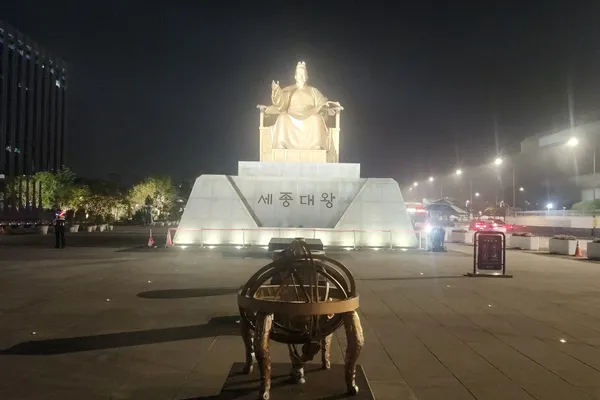
For the ceremonial arrival, use Gwanghwamun Station instead. Take Line 5 to Gwanghwamun Station and leave by Exit 2, about a ten-minute walk from the entrance. You surface onto Gwanghwamun Square, the great civic axis of Seoul, and walk north with the statues of King Sejong and Admiral Yi Sun-sin ahead of you and the mountain Bugaksan rising directly behind the palace roofs. The gate grows the entire way. The extra distance buys the view the palace was planned around.
Gyeongbokgung's hours are 09:00–17:00 Nov–Feb, 09:00–18:00 Mar–May and Sep–Oct, and 09:00–18:30 Jun–Aug (last entry one hour before); it is closed Tuesdays, with the closure shifting to Wednesday if Tuesday is a public holiday (as of 2026-09).
Gwanghwamun Station (Line 5) — the square, Sejong Center, Kyobo
Gwanghwamun Station sits directly under Sejong-daero and is the highest-traffic station on Line 5. Despite its name, it is not the closest station to the Gwanghwamun gate itself — that role belongs to Gyeongbokgung Station on Line 3 — but it is the correct choice for the square, the underground exhibition and the surrounding cultural buildings.
The exits are split into two concourses. Exit 1 leads to Sejong Center for the Performing Arts; Exit 2 leads to Gwanghwamun Square and the King Sejong statue; Exit 4 leads to the Kyobo Building and Kyobo Book Centre; Exit 5 leads to Cheonggyecheon. For the King Sejong statue and the central square, Exit 2 is the shortest walk. For our companion route through the square and east toward dinner, see Gwanghwamun Square and the Sejong Story.
One warning worth reading before any major event: Seoul Metro sometimes runs "non-stop" services when a station approaches critical crowding. Gwanghwamun is one of the stations most often affected on concert and rally days; a train can roll straight through without opening its doors. If your evening depends on a specific train, Gyeongbokgung Station (one Line-3 stop away) or Jonggak (a fifteen-minute walk east on Line 1) are the practical fallbacks.
City Hall Station (Lines 1 and 2) — Deoksugung and Seoul Plaza
City Hall Station is the westernmost of the six and, strictly, sits just outside Jongno-gu, in Jung-gu. It is worth including because Deoksugung — the fifth of Seoul's grand palaces — is a short walk from its exits. City Hall Station is a station on Seoul Subway lines 1 (Blue Line) and 2 (Green Line). As its name suggests, Seoul City Hall is located right next to the station. Deoksugung, a historic palace of the Joseon dynasty, is on the other side of the boulevard named Taepyeongno.
For Deoksugung and the stone-wall walk of Deoksugung-gil, use Exit 2, which surfaces with the palace wall on one side and Seoul Plaza directly opposite. Deoksugung Palace is situated 200 metres west of City Hall station. For Seoul Plaza and City Hall itself, Exit 5 is the most direct approach, and Exit 4 connects underground to Citizens Hall beneath the plaza.
City Hall is a useful transfer point if you are coming from Gangnam or Hongdae on Line 2 and heading for a Line 1 station further east — Jonggak is one stop, Jongno 3-ga two stops.
Transfers, elevators and the practical reality
Several quirks of the Jongno cluster are worth knowing before you tap in. The Line 1↔3↔5 transfers at Jongno 3-ga are not "conceptual" cross-platform transfers; they involve real walking. If you are travelling with luggage, a stroller or reduced mobility, elevators are available at all six stations but often sit at one specific end of the platform. Take the time inside the paid area to walk to the correct end rather than surfacing early and looping around above ground.
Jongno 3-ga's exits are numbered sequentially around the intersection, but the numbering is not intuitive: Exit 1 (Tapgol Park side) and Exit 15 (Gwansu-dong) are on the same side of Jong-ro but at opposite ends of the station complex, separated by an underground walk of several minutes. Confirming the exit on the platform map is the single most useful habit you can develop for this district.
For payment, a T-money card (or the newer Climate Card for unlimited monthly travel) works on all four lines. Transfers between Lines 1, 2, 3 and 5 are free within the integrated fare, provided you complete them within the paid area.
Ending Your Day in Jongno
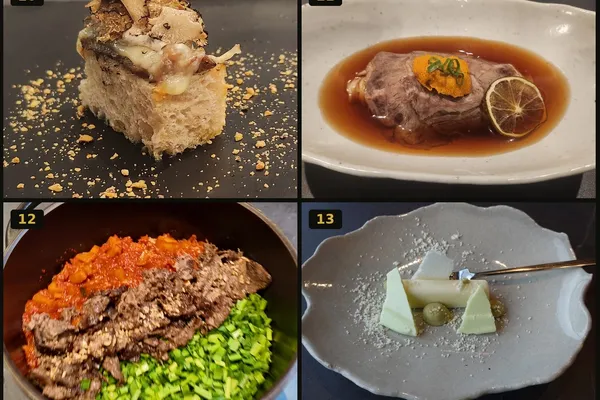
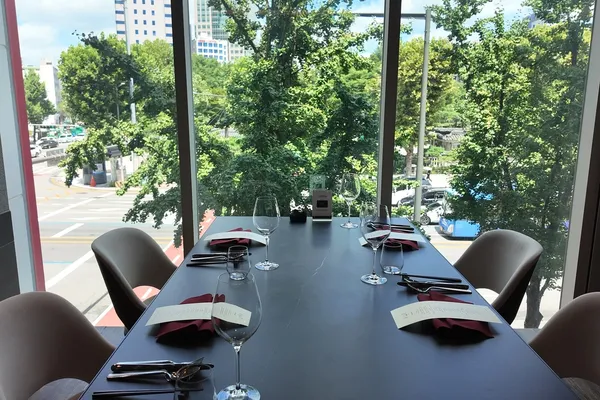
KUT SEOUL is a 3-minute walk from Jongno 3-ga Station (Lines 1·3·5) Exit 15 — 3F Hanol Tower, 96 Jongno, next to Tapgol Park. Counter seats take the Posh course (₩175,000); private rooms start from Posh at weekday lunch, Signature (₩210,000) at dinner and on weekends, up to Royal (₩280,000); on weekdays the 8-dish ₩69,000 lunch runs 80 minutes at the counter. Reservation only on CatchTable — which seat suits your evening.