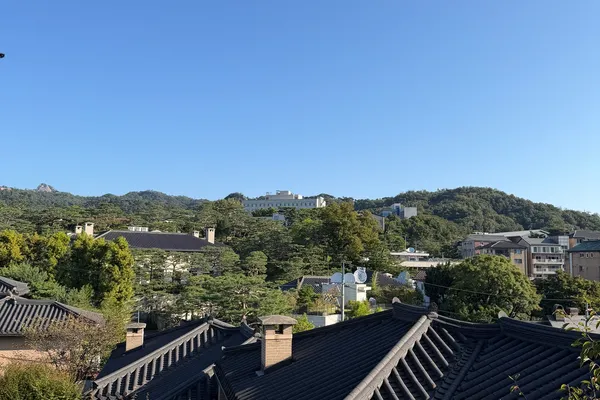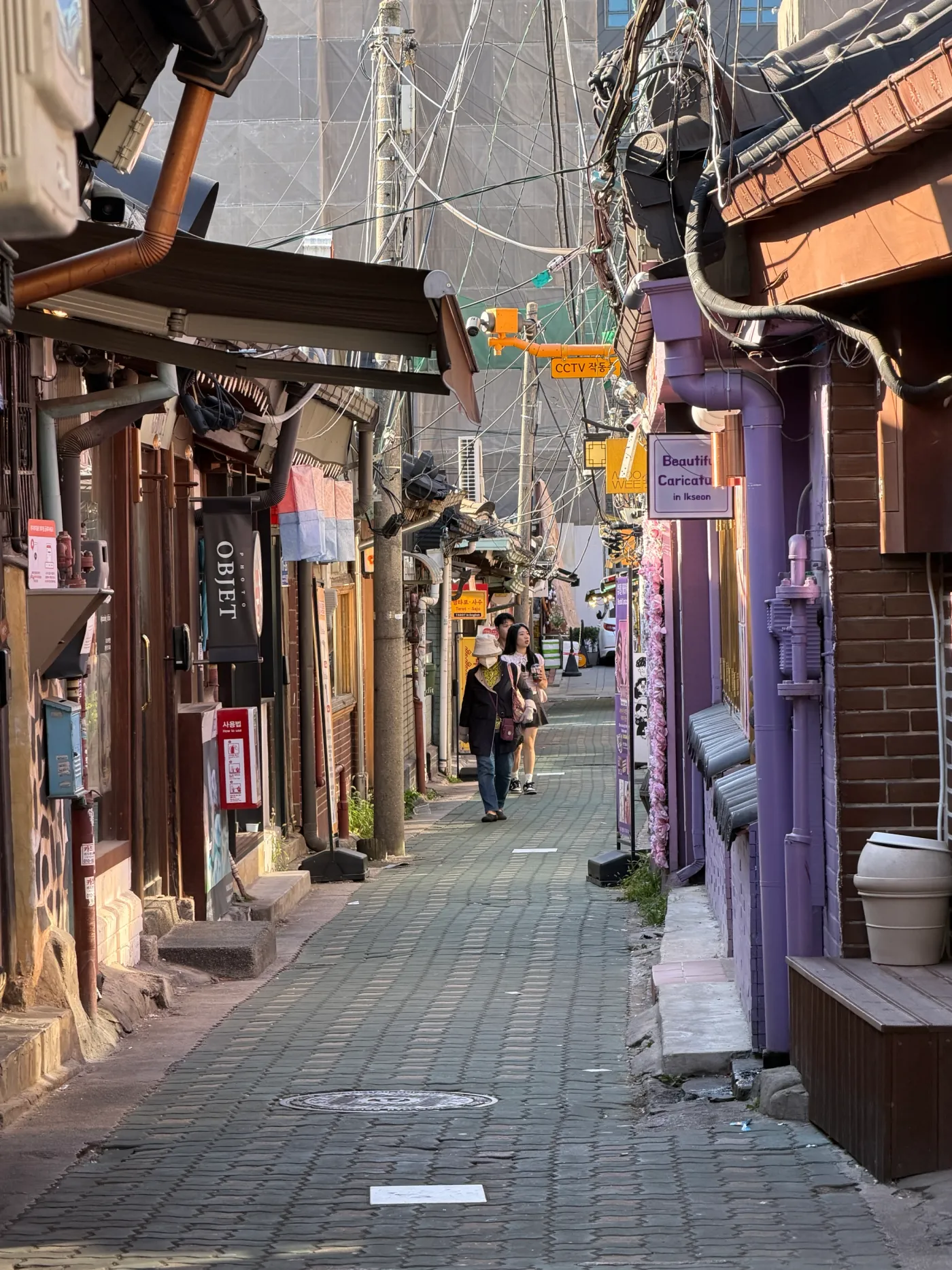
Ikseon-dong is not a dinner neighborhood. It is a daytime one — a compact grid of 1920s hanok alleys behind Jongno 3-ga Station where the pleasure lies in wandering slowly between cafés, ducking through low doorways, and eating soufflé pancakes in a courtyard filled with bamboo. By eight in the evening most of the shutters are down and the street food carts a block away have taken over.
That rhythm shapes how you should plan a day of eating here. Brunch and coffee in the alleys, a long lunch or a small-plate early dinner, and — if you want a proper sit-down meal at night — a short walk south to the quieter blocks of Jongno, where restaurants keep later hours and take reservations.
This guide covers what is realistic in Ikseon-dong itself (the queues, the cash-and-carry cafés, the hanok bistros worth the wait), then hands you off to a calmer dinner ten minutes away on foot.
Where exactly is Ikseon-dong, and which exit should you use?
Ikseon-dong sits directly behind Jongno 3-ga Station in central Seoul. Ikseon-dong Hanok Street refers to the street connecting Exit 6 of Jongno 3-ga Station to the Ibis Ambassador Insadong, and with hanok buildings like no other in Seoul, it has become a staple of Seoul tours for domestic and international visitors.
The practical geography: Ikseon-dong is a village in Jongno-gu adjacent to Changgyeonggung and Unhyeongung palaces to the north, Jongmyo to the east and Nakwon Music Mall and Insa-dong to the west. It is walkable from three subway lines, and the exit you choose matters more than the station.
- Exit 6 (Lines 1 and 3): the classic entrance, drops you at the mouth of the main hanok alley.
- Exit 4 (Line 5): a slightly shorter walk if you are coming from Gwanghwamun or Yeouido.
- Exit 3: useful only at night, when the pojangmacha tent stalls along Donhwamun-ro 11-gil take over.
The area was designated a Hanok Preservation District in 2018, and the streets are a spider web of narrow alleys that make it difficult to navigate freely, so visitors are advised to pay attention to their surroundings when traveling in the area. A pinned map is essential — half the fun is getting lost, but if you have a reservation somewhere, allow an extra ten minutes to find it.
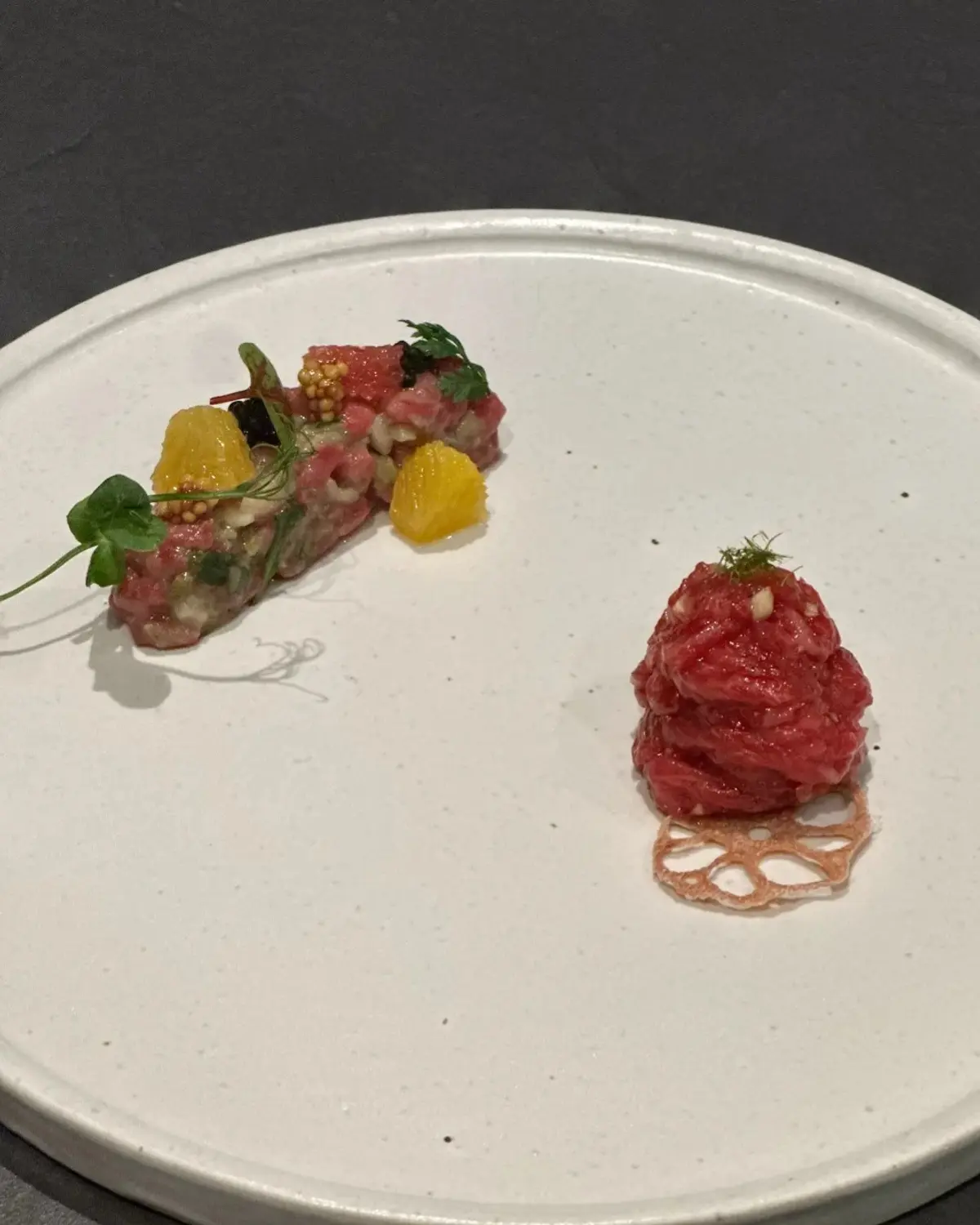
At KUT SEOUL in Jongno, that sequence is served from ₩69,000 for an 8-dish weekday lunch at the counter — see what is in a Hanwoo omakase, cut by cut.
What kind of food does Ikseon-dong actually do well?
Ikseon-dong's kitchens are small — often a single chef, a few tables, no bar. That shapes the menus. You will find soufflé pancakes and Korean-Western brunch, hanok-set pasta and risotto, modern Korean small plates, and the country's best salt-bread bakery queue. What you will not find, in any meaningful way, is a serious Korean barbecue experience or a long omakase — the buildings are too narrow and the neighborhood closes too early.
The maze-like streets of Ikseon-dong hold treasures in the form of cafés, restaurants, and handicraft shops with unique concepts and designs operated by young artists and entrepreneurs. Treat it as a grazing neighborhood, not a destination-meal one.
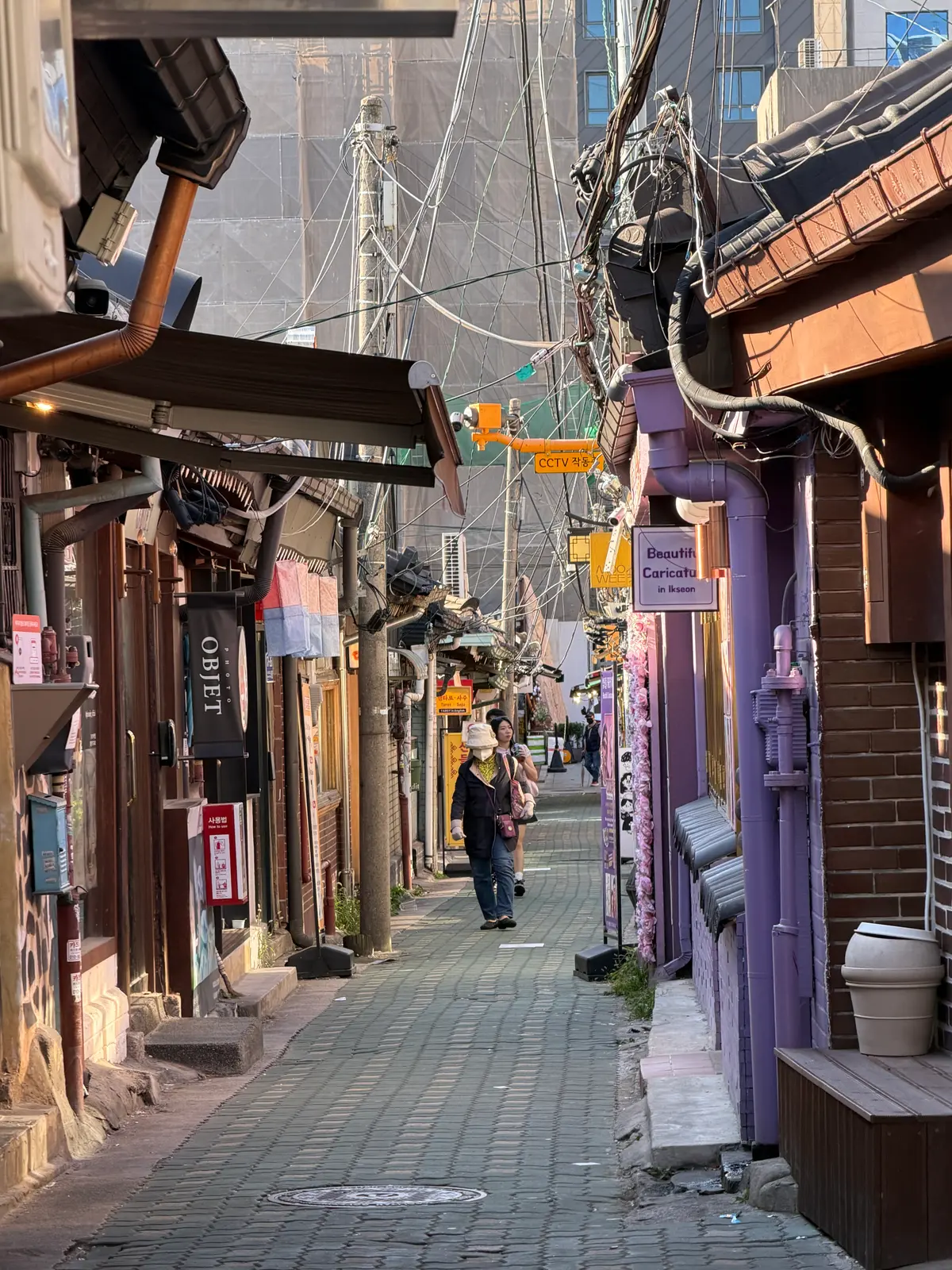
A few categories to plan around:
The signature hanok café: Cheongsudang
If you visit one café in Ikseon-dong, this is usually it. Wander the streets long enough and you'll come across a small pond with stepping stones, lined with tall bamboo and round yellow lanterns, and the path leads to Cheongsudang, a café designed with the concept of an Asian garden. The signatures are soufflé castellas and fromage cakes baked in square pottery — but be warned, the soufflé castella are freshly baked upon order and will take up to 20 to 30 minutes waiting time.
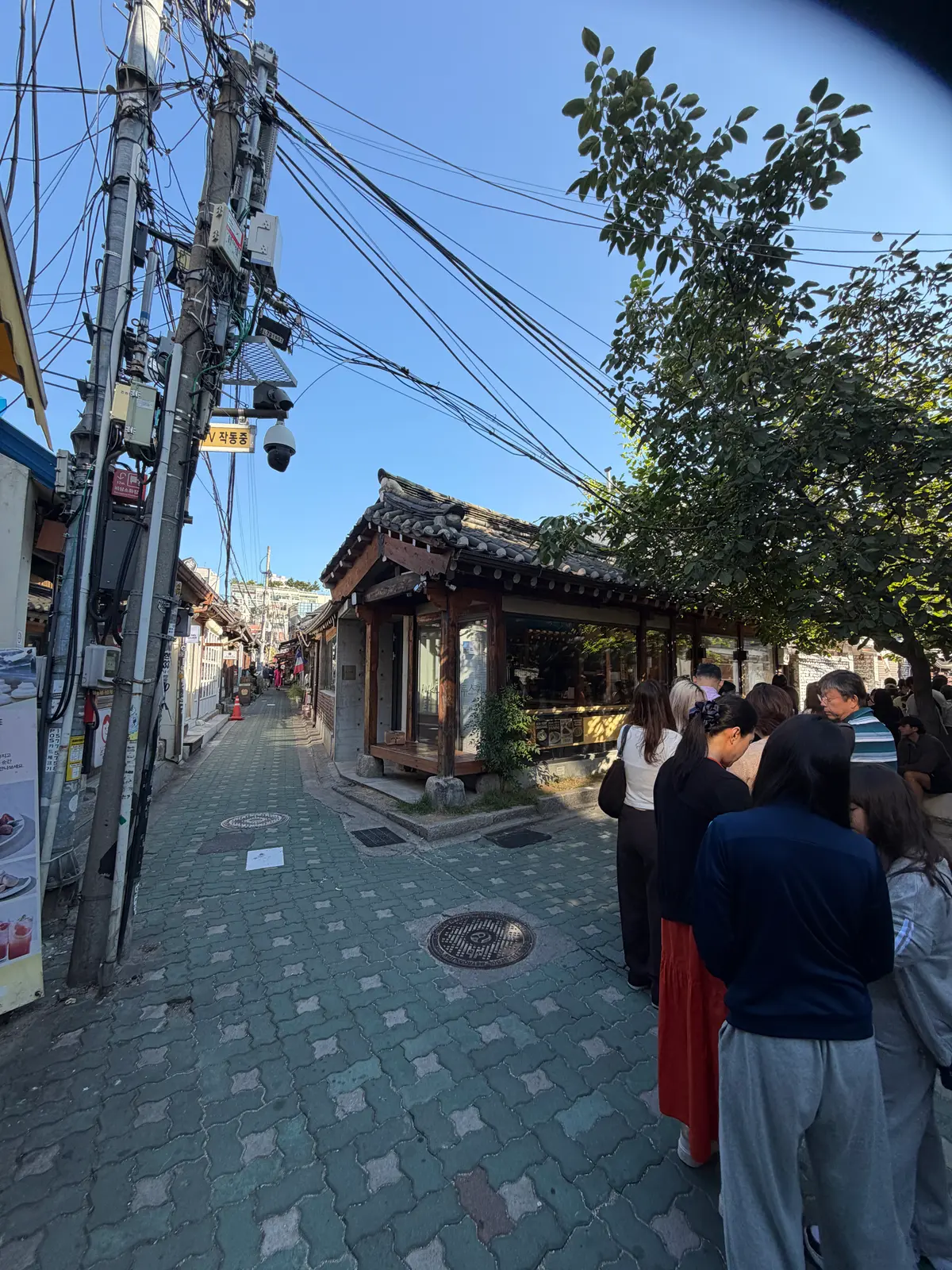
Expect a queue on top of that. One recent visitor reported that the world has discovered it, so be prepared for a long wait — going during off-peak hours (morning, weekday) still meant being told the wait was 1 to 2 hours for a table. Arrive at opening or come on a Tuesday.
Brunch and Korean-Western: Ikseon Jabbang, Ikseon Chihyang
For a sit-down brunch or lunch, two names come up repeatedly. Ikseon Jabbang is a popular brunch restaurant in the hanok village, serving french toast, salad, pasta, risotto, steak, sides, house wine and beer, with advance online reservation and remote waitlist available on the CatchTable app. That last detail matters: most Ikseon-dong restaurants do not take reservations at all, so any spot that accepts CatchTable is worth prioritizing on a weekend.
A short walk away, Ikseon Chihyang keeps just six items on the menu — signature steak, spicy cream pasta, pork belly rose pasta, vongole pasta, chicken curry risotto and omurice — and all dishes are beautifully presented, with a remote waitlist available on the CatchTable app under the restaurant name 'Favorite Ikseon'.
Modern Korean set menus: Bangida, Ikseon Atteut
For something more considered, two hanok restaurants stand out. Bangida Ikseon is a modern Korean restaurant selected as Taste of Seoul 2021: 100 Best Restaurants & Bars by the Seoul Metropolitan Government, the chef-owner was previously from the Michelin three-star restaurant La Yeon at The Shilla Seoul, and the set menu is popular with lunch and vegetarian sets and dinner sets per person. Check the current pricing on arrival — the menu shifts.
A quieter option is Ikseon Atteut on Donhwamun-ro 11da-gil, where the overall scaffold of the hanok remains and extends inwards indoors, creating a roof-like shelter with a homely touch — serving Hansik on a short, concise menu of only six food items, including Woodae Seasoned Grilled Beef Rib, Corn Cheese Kimchi Pancake, Pork Soybean Paste Ssambap, Marbled Leek Kalbimyeon, Hangjeong Grilled Bibimbap and Sweet Shrimp Buckwheat Soba.
Italian in a hanok: Dongnip Millbang Ikseon
For a longer sit-down lunch, Dongnip Millbang Ikseon is a famous Italian restaurant introduced by an owner-chef with ten years of experience at The Shilla Seoul, recommended in the Blue Ribbon Survey — it was rebranded from 'Ikseon Dimibang' to 'Dongnip Millbang Ikseon' in 2026. Reservations are available on CatchTable.
Bakeries and take-away: Jayeondo Salt Bread
The salt-bread queue is a real phenomenon. Jayeondo Sogeumppang Salt Bread has a booth you buy from and a beautiful outdoor garden seating area right next to it, and they bake their salt bread fresh six times a day, so they're always fresh — there's a minimum purchase of one 4-pack per order. A good back-pocket move when everywhere else has a wait: buy a bag, walk with them to Tapgol Park two blocks south, and eat under the trees.
How bad are the queues, really?
At weekends, bad enough to change your plans. Cheongsudang can hit two hours in the afternoon; Ikseon Chihyang and Ikseon Jabbang commonly run 45 to 90 minutes without CatchTable priority; the salt-bread booth is 20 to 40 minutes.
The pattern is predictable and worth building around:
| Slot | Café/brunch wait | Best strategy |
|---|---|---|
| Weekday 11:00–12:30 | 0–15 min | Walk straight in; ideal window |
| Weekday 13:00–16:00 | 15–45 min | CatchTable helps; save Cheongsudang for late afternoon |
| Saturday–Sunday 12:00–17:00 | 60–120 min at signature spots | Book anything you can; use waitlist apps |
| Weekday evening 18:00–20:00 | Minimal, but many places close | Small-plate spots and bars only |
| Weekend evening | Kitchens winding down by 21:00 | Move south to Jongno for dinner |
The simplest fix is to arrive at 11:00 sharp on a weekday, do a two-café loop, take away salt bread, and be finished with Ikseon-dong by 16:00 with an easy walk to your dinner reservation.
Is Ikseon-dong good for dinner?
Only loosely. People go to Ikseon-dong to eat, drink makgeolli in a cozy courtyard, and stumble on something unexpected behind a door that looks like every other door on the alley — the shops and restaurants here pay homage to the history of the area while doing something a bit more creative with it, with old hanoks becoming fog-filled hot pot restaurants, salt bread bakeries with lines around the block, and craft beer bars with Korean local brews on tap. That is a wonderful atmosphere for a couple of small plates and a glass of makgeolli. It is not the atmosphere for a two- or three-hour dinner with wine.
The hanoks are small, the tables are close, kitchens close early, and reservations are the exception rather than the rule. If you want a proper dinner — the kind you sit down to at 17:30 or 18:00 and rise from unhurried three hours later — Ikseon-dong is not the answer. What is worth knowing is that the answer is a very short walk away.
What's the best walk from Ikseon-dong to dinner?
About ten minutes, all downhill in the loose sense — south from the main hanok alley, across the wide sweep of Jongno, and into the calmer blocks between Tapgol Park and Cheonggyecheon. This is where Jongno's more considered restaurants live, in the buildings behind the main avenue.
The route itself is a pleasant one. Cut through the alleys back to Jongno 3-ga Station, cross to the south side of Jongno, and Tapgol Park — the small park with the Wongaksa Pagoda — is on your right. A KUT SEOUL guest arriving from the hanok village typically leaves Cheongsudang at 17:00 and is seated for dinner by 17:30.
That timing is deliberate. A private-room dinner at a hanwoo omakase runs about three hours, which means a 19:00 start would push past closing. A 17:30 seating gives you the full arc of the meal without watching the clock. If you are still exploring at 18:00, better to sit at a café for another coffee than to arrive out of breath for the last dinner slot.
For the full walking directions, see our guide to getting to KUT SEOUL from Jongno 3-ga and Jonggak Stations — the same short route works from the Ikseon-dong side of the station.
What kind of dinner works after a Ikseon-dong afternoon?
After a day of soufflé pancakes and small plates, most guests want two things at dinner: something clearly Korean, and something calm. A hanwoo omakase fits both — it is Korean beef treated with the seriousness the neighborhood earns, and the format is quiet, seated, unhurried.
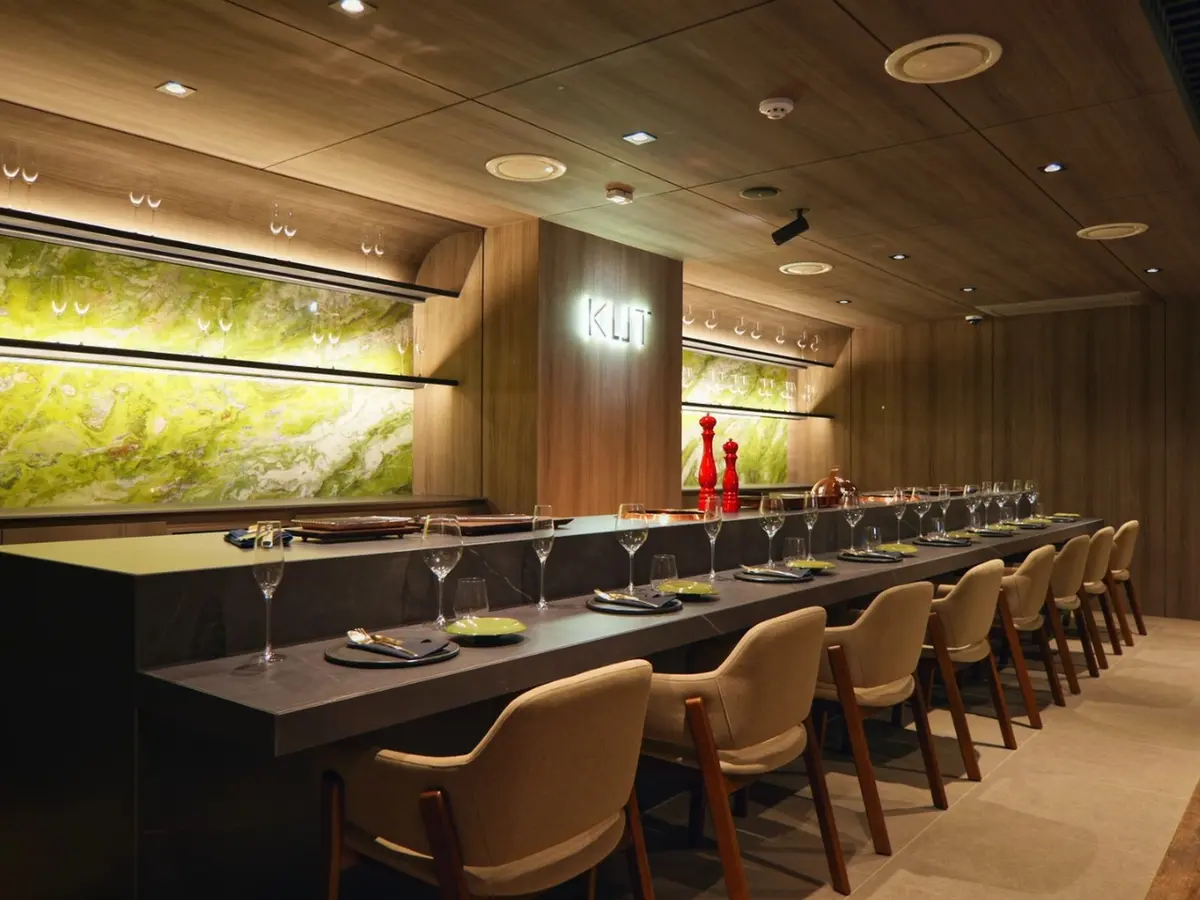
For a first visit, the first-timer's guide to choosing a hanwoo omakase course is the place to start. It walks through the differences between the eight-dish weekday-lunch introduction and the longer thirteen- and fifteen-dish tasting courses, and helps you match a seat — counter or private room — to your party size.
From an Ikseon-dong walk to a Hanwoo dinner
A few notes worth carrying with you from Ikseon-dong to the dinner table:
- Book ahead. Unlike Ikseon-dong's café scene, a proper omakase is reservation-only, and same-day walk-ins are not possible.
- Aim for 17:30 or 18:00, not 19:00, if you are booking a private room — the meal runs three hours.
- If you have been snacking your way through Ikseon-dong, skip the salt bread on the walk over. The first course tends to arrive quickly.
KUT SEOUL: Bar 8 dishes ₩69,000 (weekday lunch, counter only, 80 min) · Posh 11 ₩175,000 · Signature 13 ₩210,000 · Royal 15 ₩280,000 · Kids ₩45,000 (ages 7 and under). Signature and Royal are served in private rooms only.
BMS No. 9 Hanwoo, vacuum (wet) aged four weeks — not dry-aged. Grades run 3/2/1/1+/1++; since December 2019, 1++ covers marbling scores 7–9 and the number is displayed. KUT serves No. 9 only.
Lunch 11:30–15:00 (last order 14:30), dinner 17:30–22:00 (last order 19:30), closed Tuesdays.
Ending Your Day in Jongno
KUT SEOUL is about 10 minutes on foot from Ikseon-dong — 3F Hanol Tower, 96 Jongno, next to Tapgol Park. Counter seats take the Posh course (₩175,000); private rooms start from Posh at weekday lunch, Signature (₩210,000) at dinner and on weekends, up to Royal (₩280,000); on weekdays the 8-dish ₩69,000 lunch runs 80 minutes at the counter. Reservation only on CatchTable — which seat suits your evening.