Insadong is Seoul's most concentrated stretch of traditional culture, and its food follows suit. Within a walkable kilometre, you can pass from a hanok tea house serving jujube tea in stoneware to a Michelin-recognised temple cuisine restaurant across from the country's chief Zen temple, then step across Jongno into a Hanwoo omakase counter. Three worlds — tea, temple, beef — sit within a few hundred metres of one another.
This guide is arranged by cuisine rather than by street, because the interesting decisions here are not about geography but about intent. A tea house is for slowing down mid-afternoon. Temple food is for a considered lunch. Hanwoo omakase is for the evening the trip is built around. What follows is a working itinerary for eating well without leaving the neighbourhood.
What kind of food defines Insadong?
Insadong's culinary identity rests on two pillars: traditional Korean tea culture and the Buddhist food tradition tied to nearby Jogyesa Temple. The Insadong neighbourhood is historically the heart of Seoul's tea culture, its cobbled lanes concentrating a remarkable density of traditional tea houses, often installed in carefully renovated hanok buildings. Alongside them, temple-cuisine restaurants — most notably Balwoo Gongyang across from Jogyesa — extend the same slow, deliberate aesthetic to a full meal.
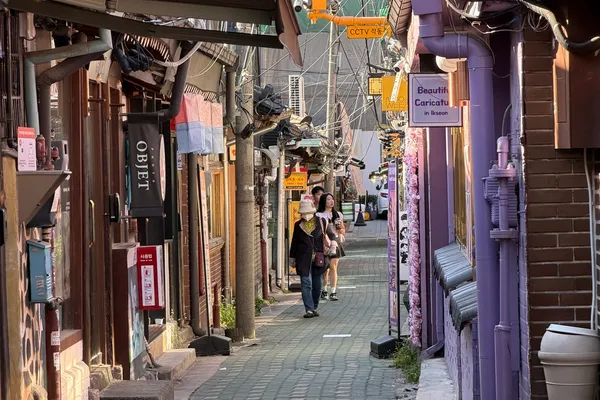
The main street, a 700-metre pedestrian thoroughfare, is lined with galleries, antique shops, calligraphy workshops and street food ranging from honeycomb candy to oversized ice cream cones. But the meals worth planning a day around sit slightly off it — down alleys, up staircases, or across the wide arterial of Jongno.
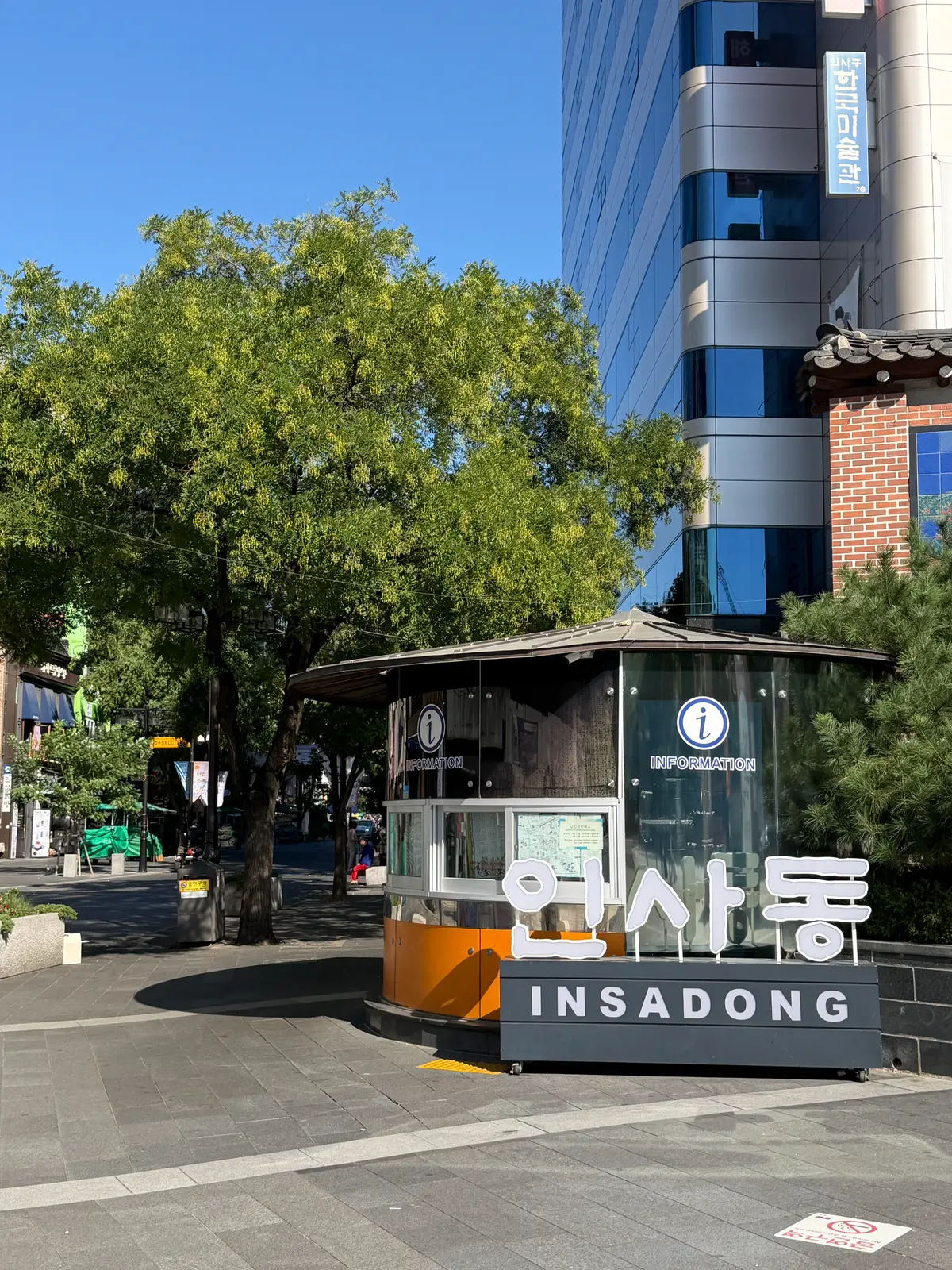
Getting to Insadong
Insadong is easiest to reach from Anguk Station on Line 3 at the northern end, or from Jonggak and Jongno 3-ga stations on Line 1 at the southern end. Anguk Station on Line 3 is arguably the most convenient station; from Exit 6, Insadong Cultural Street is just about a 6-minute walk. On weekends the main street becomes fully pedestrianised — car-free Saturday 14:00–22:00 and Sunday 10:00–22:00 (as of 2026-09) — which makes tea-house hopping considerably more pleasant.
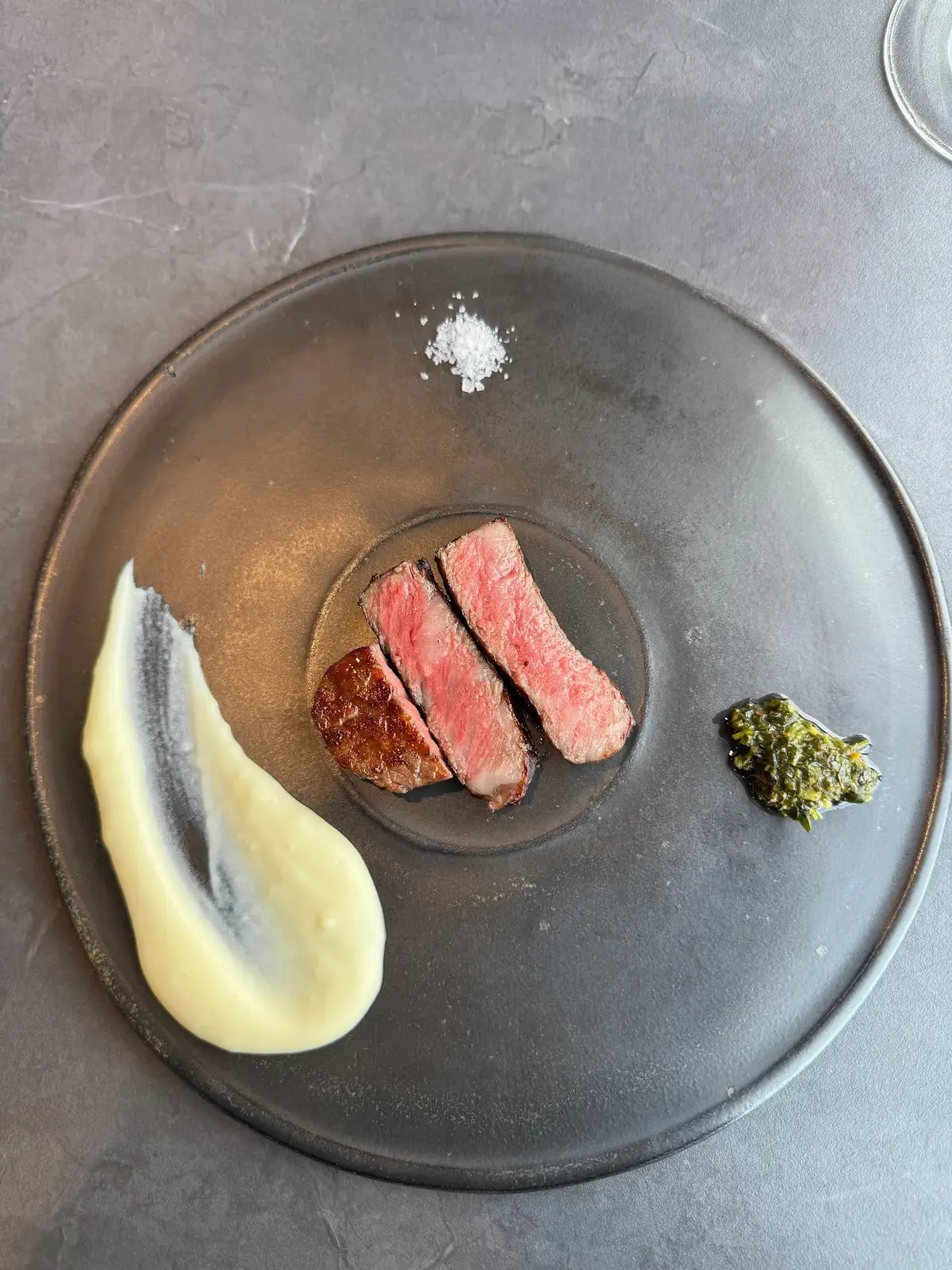
At KUT SEOUL in Jongno, that sequence is served from ₩69,000 for an 8-dish weekday lunch at the counter — see what is in a Hanwoo omakase, cut by cut.
Where are the best traditional tea houses in Insadong?
The best tea houses are the ones you almost miss. Little wooden doorways that open up into cinnamon and ginger scented tea houses are scattered around Insadong; if you want the intimate experience, you have to head down the small alleys and keep your eyes peeled. Two names come up repeatedly among Seoul-based writers and local guides.
Moon Bird Only Thinks of the Moon (달새는 달만 생각한다), tucked into a back alley, is a long-standing favourite for its dim wooden interior and slow service. Shin Old Tea House (신구다원) is the other classic — a cozy hanok with heated floors, low tables, silk cushions and dim lighting, with sets ₩9,000–14,000 (check the official source for current rates). A third address worth writing down is Cha Masineun Ddeul (차 마시는 뜰), a two-storey hanok with a view over an interior garden.
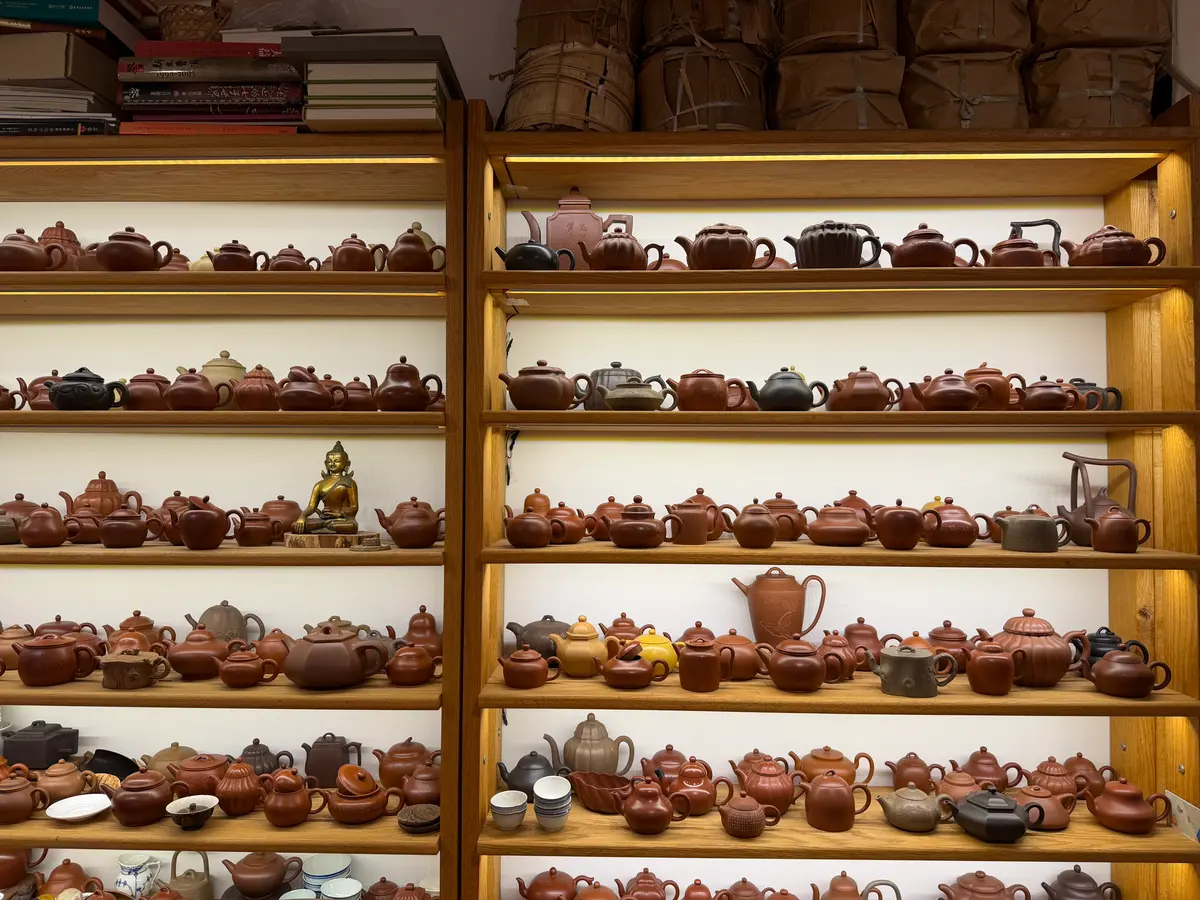
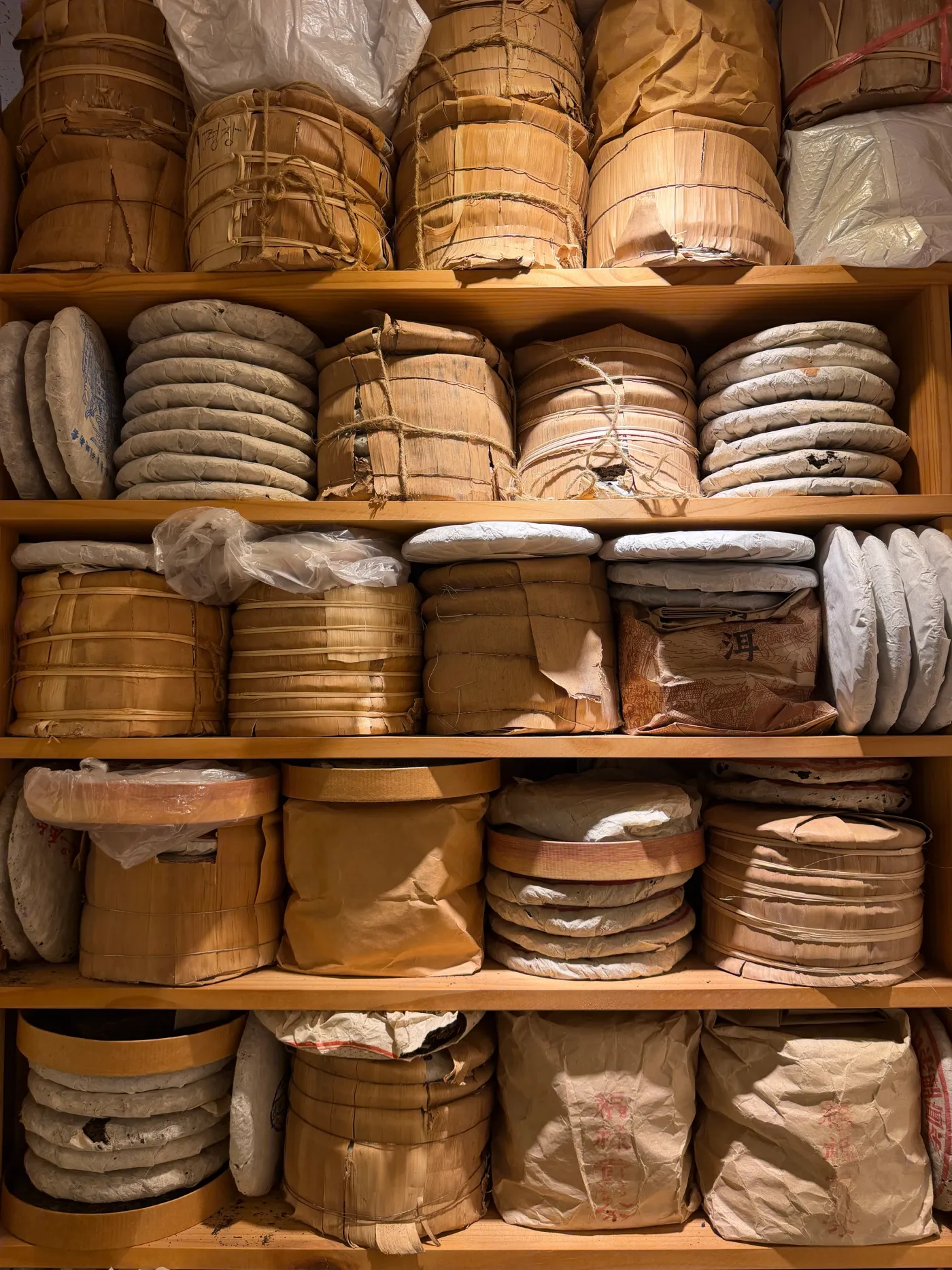
The tea itself is worth understanding before you order. Omija-cha is a bright pink infusion of five-flavour berry — sweet, sour, salty, bitter and pungent all at once — traditionally served cold. Daechu-cha is jujube tea, thick and warm, closer to a liquid dessert. Most tea houses will bring a small dish of rice cakes or roasted nuts alongside without asking.
A note on etiquette and timing
Tea houses in Insadong reward slow visits. Speak quietly, remove your shoes if the entrance requires it, and expect the tea to arrive after the room, not before. Weekends are busy: tea houses in Insadong and Bukchon are often crowded at weekends — for a more serene experience, visit on a weekday morning.
Is Balwoo Gongyang worth booking for temple food?
Yes — if you have any interest in Korean Buddhist cuisine, Balwoo Gongyang is the definitive experience in Seoul. It is not a vegan restaurant that happens to serve temple food; it is a temple food institution that happens to qualify as vegan, operated directly by the Jogye Order of Korean Buddhism, translating 1,700 years of monastic culinary discipline into a multi-course fine dining format.
The restaurant sits on the fifth floor of the Templestay Information Center, directly across from Jogyesa Temple — about a five-minute walk from Insadong-gil. Between 2017 and 2019, the Michelin Guide Seoul awarded it one star for three consecutive years, making it one of the few entirely plant-based restaurants in Asia to hold that recognition. More recently the restaurant appeared in the Blue Ribbon Survey in 2023 and 2024.
The menu follows the Buddhist framework of five categories — Seon, Won, Maeum, Hee, Beop — each named for a stage on the path to enlightenment. Korean temple food is entirely plant-based and prepared without five pungent ingredients — garlic, green onion, leek, wild chives and asafoetida — which are believed to distract the mind and inflame passions. The seasoning instead relies on aged temple-made red chili paste, soybean paste and soy sauce.
Service runs in two lunch sessions (11:30–13:20 and 13:30–14:50) and one dinner service (18:00–21:00, last order 19:40) (check the official site for current details). Due to the restaurant's popularity even on weekdays, reservations are essential.
What about Sanchon for a fuller temple-cuisine meal?
Sanchon offers a different register of the same tradition. Established in 1986 by former Buddhist monk Jungsan Sunim, the restaurant continues to honour its roots in Korean temple cuisine and artistic expression; a former Buddhist monk and contemporary artist, Jungsan Sunim has published five cookbooks on Korean temple cooking. The setting is a hanok back off Insadong-gil, with plants, antiques, and a hand-built ceiling that reads more folk-art gallery than restaurant.
The kitchen serves a single set menu — a long procession of small dishes built around seasonal vegetables and mountain herbs. Unlike Balwoo Gongyang, Sanchon uses aromatics such as garlic and shallots for accessibility, so it is closer to "temple-inspired" than strictly monastic. Evening diners can catch a traditional Korean music and dance performance during the last part of the meal; confirm timing and pricing directly with the restaurant, as details change seasonally.
Temple food, briefly compared
| Restaurant | Style | Setting | Booking |
|---|---|---|---|
| Balwoo Gongyang | Strict Jogye Order temple cuisine | 5F, across from Jogyesa | Essential, well in advance |
| Sanchon | Temple-inspired, uses aromatics | Hanok, Insadong side alley | Recommended, especially for dinner performance |
Either works as a considered lunch before an afternoon in Bukchon or the palaces. For a full temple-cuisine primer, Balwoo Gongyang is the address; for atmosphere and a longer evening, Sanchon holds its own.
Where do you go for Hanwoo across the road?
Insadong is a tea-and-temple neighbourhood by day; for a meat course it is worth stepping across Jongno. Directly opposite the southern end of Insadong-gil — across the wide arterial road that separates it from Tapgol Park — is KUT SEOUL, a Hanwoo omakase restaurant that draws travellers who have spent the afternoon in Insadong's galleries and want a longer, quieter evening.
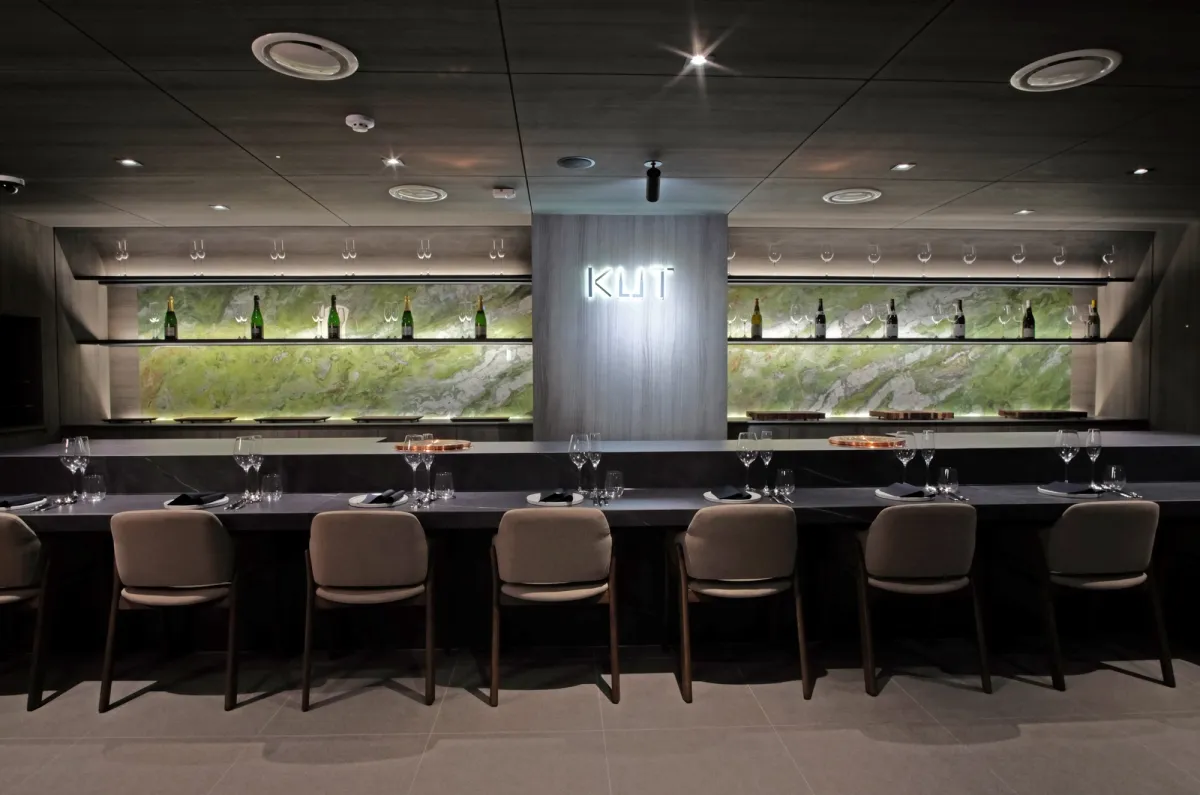
3F Hanol Tower, 96 Jongno — 3 minutes from Jongno 3-ga Station (Lines 1·3·5) Exit 15 or Jonggak Station (Line 1) Exit 4; next to Tapgol Park; 20–25 minutes on foot from Gyeongbokgung.
BMS No. 9 Hanwoo, vacuum (wet) aged four weeks — not dry-aged. Grades run 3/2/1/1+/1++; since December 2019, 1++ covers marbling scores 7–9 and the number is displayed. KUT serves No. 9 only.
KUT SEOUL: Bar 8 dishes ₩69,000 (weekday lunch, counter only, 80 min) · Posh 11 ₩175,000 · Signature 13 ₩210,000 · Royal 15 ₩280,000 · Kids ₩45,000 (ages 7 and under). Signature and Royal are served in private rooms only.
Seating splits between an 8-seat chef's counter and five private rooms sized from two to twelve. The counter serves the shorter Bar and Posh courses; private rooms unlock the 13-dish Signature and the 15-dish Royal. For a first visit our first-timer's guide to choosing a Hanwoo omakase course walks through which tier suits which occasion.
A taste of dinner after Insadong
Lunch 11:30–15:00 (last order 14:30), dinner 17:30–22:00 (last order 19:30), closed Tuesdays.
Reservation only, through CatchTable or Naver. Deposit is 100% of the order; cancellation is free two days before, 50% one day before, none on the day.
How should you sequence a day of eating in Insadong?
A workable rhythm looks like this: a mid-morning tea at Shin Old Tea House or Moon Bird as the district opens, a slow lunch at Balwoo Gongyang or Sanchon around 12:30 or 13:30, an afternoon spent in the galleries and stationery shops of Insadong-gil, and dinner across Jongno at KUT SEOUL from 17:30. That gives you three distinct culinary registers — infusion, monastic, omakase — inside a single square kilometre.
For visitors staying near the palaces or Bukchon, you can extend the same route northward: Changdeokgung is a 7-minute walk northeast, and Gyeongbokgung is about 12 minutes west from Insadong. A morning at Changdeokgung's Secret Garden pairs naturally with an afternoon tea in Insadong; an afternoon at Jogyesa pairs naturally with a temple-cuisine lunch beside it.
Eating well near Insadong is less about hunting down a single famous address than about respecting the neighbourhood's own tempo. The tea houses want you to sit for an hour. The temple restaurants want you to eat in sequence. And when the light drops and Insadong-gil begins to quieten, the omakase counters across Jongno take over from there.
Ending Your Day in Jongno
KUT SEOUL is directly across Jongno from the southern end of Insadong-gil, 2–3 minutes on foot — 3F Hanol Tower, 96 Jongno, next to Tapgol Park. Counter seats take the Posh course (₩175,000); private rooms start from Posh at weekday lunch, Signature (₩210,000) at dinner and on weekends, up to Royal (₩280,000); on weekdays the 8-dish ₩69,000 lunch runs 80 minutes at the counter. Reservation only on CatchTable — which seat suits your evening.